
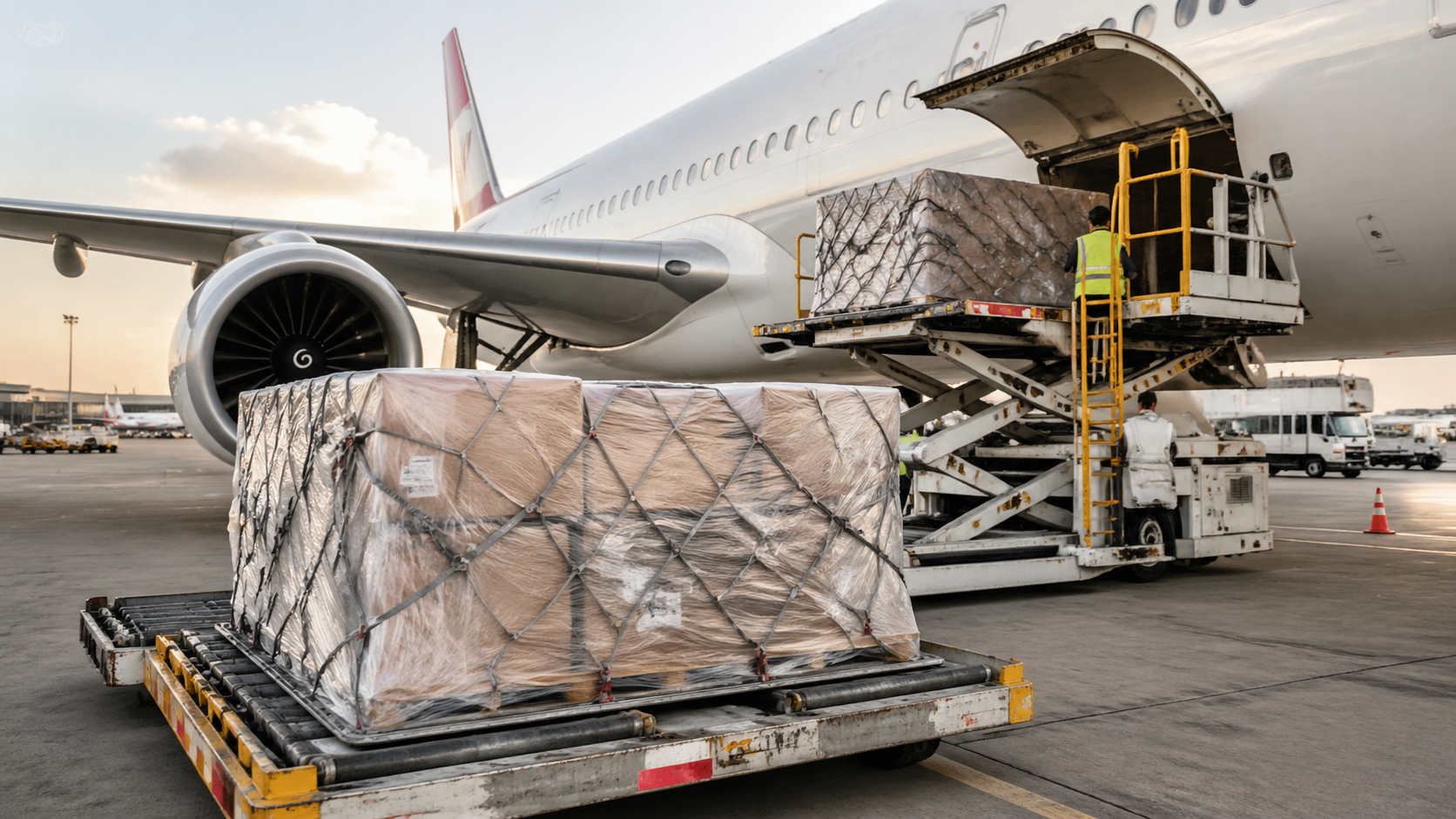
Trade between Egypt and the UAE plays a practical role in connecting production, distribution, and regional markets. For businesses, shipping on this route is not just a logistics task, but part of how they manage timing, inventory, and customer expectations.
Understanding the Egypt–UAE Trade Flow
The connection between Egypt and the UAE is built on a mix of manufacturing, agriculture, and trade redistribution. Egypt supplies a wide range of goods, while the UAE functions both as a destination and as a hub that redistributes cargo across the Gulf and beyond.
Common types of goods moving along this route include:
- fresh and processed food products;
- textiles and ready-made garments;
- electronics and small machinery;
- jewelry and high-value items;
- industrial materials and components.
Because these categories differ so much, logistics decisions often depend on the specific nature of the cargo rather than the route itself.
For shipments where delivery time and handling conditions are critical, air transport is often considered. This route is part of a broader network of regional cargo connections, and additional route details can be found here.
Choosing Between Air and Sea Freight
There is no single “best” shipping method for this corridor. The choice usually comes down to a balance between cost and urgency.
Air freight is typically used when:
- delivery deadlines are tight;
- goods are high in value relative to their size;
- cargo requires stable handling conditions.
Sea freight is more suitable for larger shipments that are less sensitive to time. In practice, many businesses combine both methods, using air transport for urgent needs and sea transport for regular stock movement.
Working with Perishable and Sensitive Cargo
A significant share of exports from Egypt includes agricultural goods and food products. These items require careful planning because their quality depends on how quickly and safely they reach the destination.
Factors that matter most include:
- controlled temperature during transit;
- consistent handling conditions;
- minimal delays at transfer points;
- appropriate packaging.
In these cases, logistics becomes part of product quality control rather than just transportation.
Documentation and Compliance
Cross-border shipping always involves documentation, and this route is no exception. Typical paperwork includes commercial invoices, packing lists, and certificates related to origin or product type.
Issues usually arise when documents are incomplete or inconsistent. Even small errors can lead to delays at customs. Businesses benefit from checking requirements in advance, especially for regulated or sensitive goods.
Why Timing Can Affect Business Performance
In many industries, delivery speed influences more than just logistics. It can affect stock levels, production schedules, and customer satisfaction.
This is particularly relevant for:
- retail businesses with changing demand;
- manufacturers depending on specific components;
- suppliers of seasonal or short-cycle goods.
Faster shipping options are often used not because they are cheaper, but because they help avoid larger operational disruptions.
The Bottom Line
Shipping from Egypt to the UAE requires more than selecting a transport option. It involves understanding the type of goods, the level of urgency, and the role of logistics in overall business operations.
Companies that approach this route strategically tend to manage risks better and adapt more easily to changing market conditions.