
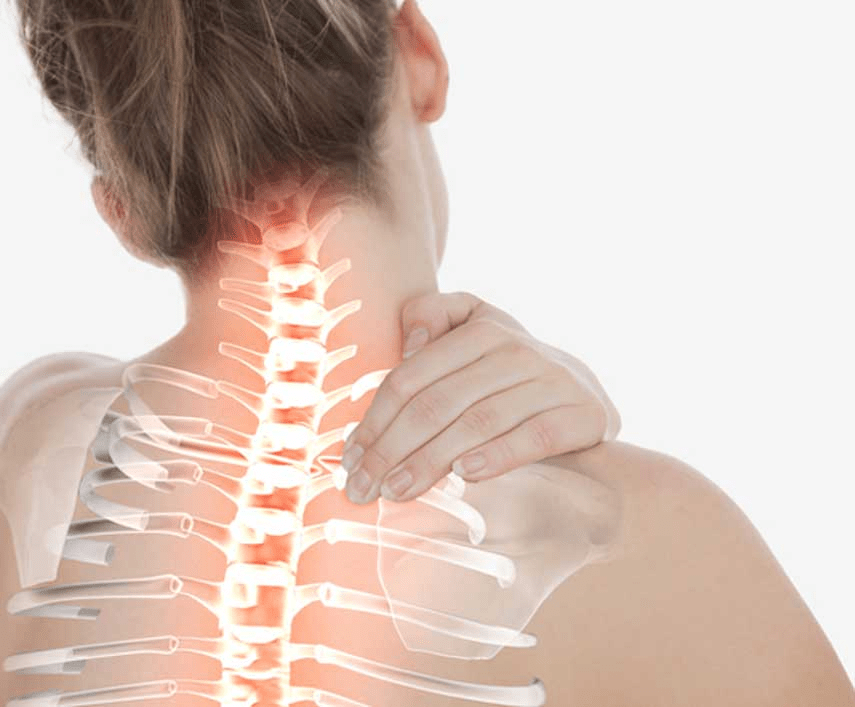
The idea of spine surgery is scary for many people. Even when pain is severe, fear often keeps patients stuck—unsure whether surgery will help or make things worse.
Common worries include:
- “Will I lose mobility?”
- “Will recovery be unbearable?”
- “Will I ever feel normal again?”
- “What if surgery limits what I can do?”
These fears are understandable. Spine surgery feels permanent and high-stakes. But modern techniques, better recovery planning, and realistic expectations have changed what life after surgery often looks like.
This article breaks down common fears, explains today’s surgical options, and offers a clearer picture of recovery and activity after back or neck surgery.
Why Fear Stops People From Getting Help
Spine pain doesn’t just hurt physically. It wears people down emotionally.
Many patients:
- Push through pain longer than they should
- Avoid imaging or specialist visits
- Rely on short-term fixes
- Hope the problem will disappear
Fear usually comes from uncertainty, not facts. When people don’t understand what surgery involves—or assume recovery means permanent limits—they often delay care until symptoms worsen.
That delay can make both pain and recovery harder.
How Spine Surgery Has Changed in Recent Years
One major reason fear persists is outdated information. Many people imagine large incisions, long hospital stays, and months of immobility.
In reality, many spine procedures today are far less invasive than they once were.
Minimally invasive approaches can:
- Reduce muscle damage
- Shorten hospital stays
- Lower infection risk
- Speed up recovery timelines
For patients worried about surgery itself, Afraid of back surgery? Minimally invasive options explains how newer techniques are designed to treat pain while preserving movement and strength.
Surgery is no longer a one-size-fits-all solution. Treatment plans are increasingly tailored to the person—not just the problem.
What Recovery Really Looks Like for Most Patients
Recovery is rarely instant, but it’s often more manageable than expected.
Most recovery plans focus on:
- Gradual movement
- Pain management
- Physical therapy
- Clear activity guidelines
Patients are usually encouraged to move early and often within safe limits. Prolonged bed rest is no longer the standard approach.
Recovery timelines vary, but improvement typically happens in stages:
- Pain reduction
- Improved mobility
- Strength rebuilding
- Return to daily activities
Understanding these stages helps set realistic expectations and reduces anxiety.
Will Surgery Limit What You Can Do Long-Term?
This is one of the most common fears—and one of the most misunderstood.
Many people assume spine surgery automatically means giving up hobbies, exercise, or sports. In reality, the goal of surgery is often to restore function, not restrict it.
Patients frequently ask:
- Can I walk normally again?
- Can I travel?
- Can I stay active?
For those with neck procedures, this concern is especially strong. Can you still play sports after neck surgery? explores how recovery, rehabilitation, and medical guidance shape what’s possible after surgery.
Activity after surgery depends on:
- The type of procedure
- Overall health
- Rehab participation
- Following recovery guidelines
Many patients return to active lifestyles—with fewer limitations than before surgery.
The Emotional Side of Spine Surgery Recovery
Fear doesn’t disappear once surgery is scheduled. Emotional ups and downs are common before and after procedures.
Patients may experience:
- Anxiety before surgery
- Frustration during early recovery
- Fear of reinjury
- Doubt about progress
These feelings are normal. Recovery isn’t just physical—it’s mental.
Understanding that setbacks can happen without meaning failure helps patients stay motivated and patient with themselves.
Why Pushing Through Pain Isn’t Always the Answer
Many people pride themselves on toughness. They push through pain at work, at home, and during daily activities.
But chronic spine pain is different.
Ignoring it can lead to:
- Nerve damage
- Worsening mobility
- Reduced quality of life
- More complex treatment later
Seeking evaluation doesn’t mean committing to surgery. It means understanding what’s happening and exploring all available options.
Making an Informed Decision Instead of a Fear-Based One
The most confident patients aren’t fearless—they’re informed.
A good decision includes:
- Understanding the diagnosis
- Knowing all treatment options
- Asking about risks and benefits
- Learning realistic recovery expectations
When people replace assumptions with facts, fear often loses its grip.
Support During Recovery Makes a Difference
Recovery is easier with the right support system.
That may include:
- Physical therapists
- Family caregivers
- Home support during early healing
- Clear communication with providers
Support doesn’t mean weakness. It means creating an environment where healing can happen safely and steadily.
Life After Surgery: What Patients Often Say
Many patients who once feared surgery share similar reflections afterward:
- “I waited too long.”
- “I wish I’d understood my options earlier.”
- “I didn’t realize how much pain affected my life.”
While surgery isn’t the right choice for everyone, informed patients tend to feel more confident—regardless of which path they choose.
Moving Forward Without Letting Fear Decide
Spine pain changes how people move, sleep, and live. Fear can keep people stuck longer than pain itself.
Understanding modern surgical options, realistic recovery timelines, and life after treatment allows patients to move forward with clarity instead of anxiety.
The goal isn’t to rush into surgery. It’s to stop letting fear make the decision for you.
Quick Recap
- Fear often comes from outdated assumptions
- Minimally invasive options have changed spine surgery
- Recovery is gradual but manageable
- Many patients return to active lifestyles
- Emotional recovery matters as much as physical healing
When knowledge replaces fear, better decisions follow.