
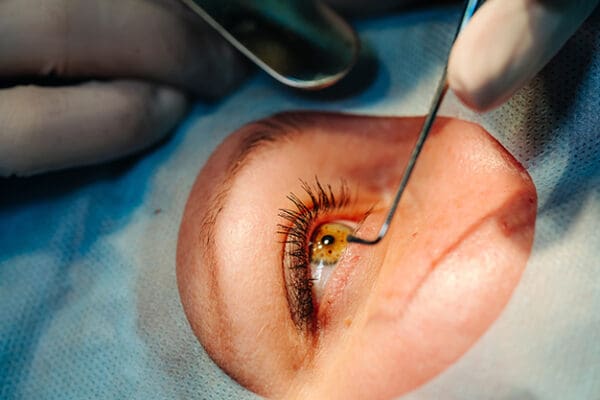
Undergoing lasik and cataract evaluations is an essential step for maintaining and improving eye health. Vision changes can be gradual and easily overlooked, but early detection through thorough evaluations ensures safer and more effective treatment. Whether considering lasik for refractive correction or planning cataract surgery to restore clarity, understanding the evaluation process is key to making informed decisions. Modern diagnostic technologies provide detailed insights into eye structure, corneal thickness, and lens health, allowing specialists to create personalized treatment plans. Patients who engage in regular eye assessments benefit from improved surgical outcomes, reduced risks, and better long-term vision health. This guide explores the process of lasik and cataract evaluations, what to expect during each step, and how choosing the right eye specialist can make a significant difference in overall results.
Importance of Regular Eye Evaluations
Regular eye evaluations go beyond checking prescription lenses—they are a preventive measure for long-term vision health. Lasik and cataract evaluations play a critical role in identifying conditions early, even before noticeable vision changes occur. Some of the key benefits include:
- Early Detection of Eye Conditions: Identifying cataracts, glaucoma, or retinal issues at an early stage allows for timely intervention.
- Personalized Treatment Planning: Every eye is unique. Evaluations ensure that procedures like lasik are customized for optimal safety and results.
- Prevention of Complications: Advanced diagnostics reduce risks during surgery, ensuring smoother recovery and better outcomes.
- Monitoring Vision Health Over Time: Consistent evaluations track changes in visual acuity, corneal structure, and lens clarity.
These evaluations are especially important for individuals over 40 or anyone experiencing frequent vision fluctuations, glare sensitivity, or difficulty focusing.
What Happens During a Lasik Evaluation
A comprehensive lasik evaluation involves multiple steps to assess suitability and plan treatment. Each phase contributes to safe and precise vision correction. Key components include:
- Comprehensive Eye Exam: Measures visual acuity, checks for refractive errors, and screens for underlying eye conditions that could affect surgery.
- Corneal Topography: Maps the cornea’s shape and curvature to determine whether the eyes are suitable for lasik. Irregular corneas may require alternative approaches.
- Pupil and Eye Pressure Assessment: Ensures that intraocular pressure is within safe limits and that the pupil size is compatible with lasik procedures.
- Tear Film Evaluation: Adequate tear production is essential for recovery; dry eye conditions may require treatment before surgery.
- Patient Education: Specialists explain the procedure, risks, recovery expectations, and long-term care for optimal outcomes.
Patients are encouraged to ask detailed questions during the evaluation to understand each step and feel confident about the procedure.
What Happens During a Cataract Evaluation
Cataract evaluations are designed to determine the extent of lens clouding and the best approach for restoration of vision. Key steps include:
- Visual Acuity Test: Determines how cataracts affect day-to-day vision.
- Slit Lamp Examination: Provides a detailed view of the cornea, iris, and lens, revealing early lens opacity.
- Retinal Examination: Ensures the retina is healthy and that no other ocular issues may complicate surgery.
- Lens Measurement: Accurate measurements are taken to select the appropriate intraocular lens (IOL) for implantation.
- Discussion of Surgical Options: Specialists review traditional, laser-assisted, or premium IOLs and the expected benefits of each choice.
Regular cataract evaluations are crucial because cataracts develop gradually, and delaying surgery can negatively affect quality of life, including driving safety and reading ability.
Benefits of Combining Lasik and Cataract Evaluations
For some patients, combining insights from lasik and cataract evaluations provides a comprehensive understanding of eye health and vision correction options. Benefits include:
- Complete Eye Health Assessment: Detects coexisting conditions like dry eye, glaucoma, or macular degeneration.
- Streamlined Decision-Making: Knowing both corneal and lens health helps determine whether lasik, cataract surgery, or a combination approach is optimal.
- Enhanced Surgical Outcomes: Understanding all eye parameters reduces risks and increases precision during surgery.
- Long-Term Vision Planning: Specialists can develop a strategy that addresses current issues and anticipates future vision needs.
This holistic approach ensures every aspect of eye health is considered before any surgical intervention.
Choosing the Right Eye Specialist
Selecting a qualified eye specialist is one of the most critical factors for successful evaluations and surgeries. Consider the following:
- Board Certification: Ensures that the physician has completed rigorous training and meets professional standards.
- Advanced Technology: Clinics equipped with state-of-the-art diagnostic tools provide the most accurate assessments.
- Experience in Lasik and Cataract Procedures: Track record and patient outcomes indicate reliability.
- Patient-Centered Communication: Clear explanations, transparent risk discussions, and post-care guidance enhance patient confidence.
- Positive Testimonials and Reviews: Feedback from previous patients can provide insight into the quality of care and results.
Researching specialists and consulting multiple clinics can ensure the best fit for individual eye care needs.
Questions to Ask During Evaluations
Being proactive during lasik and cataract evaluations helps patients make informed decisions. Key questions include:
- What type of lasik procedure is most suitable for my eyes?
- Are there alternatives if I am not a candidate for lasik?
- How advanced is the technology used for cataract measurements?
- What is the expected recovery time after surgery?
- What potential risks should I be aware of?
Taking notes and requesting detailed explanations helps reduce anxiety and increases confidence in the chosen treatment path.
Preparing for Lasik or Cataract Surgery
Proper preparation before surgery improves outcomes and recovery. Recommendations include:
- Complete Pre-Surgery Evaluation: Ensures all eye parameters are measured accurately.
- Avoid Contact Lenses: Soft lenses should be removed before evaluations, and rigid lenses well in advance.
- Discuss Medications: Inform the specialist about any medications or supplements.
- Arrange Transportation: Patients typically need assistance immediately after surgery.
- Follow Post-Operative Instructions: Proper care of the eyes after surgery is critical for long-term success.
Preparation reduces complications and ensures the best visual outcomes possible.
Conclusion
Investing time in lasik and cataract evaluations is a proactive step toward achieving and maintaining clear, healthy vision. Regular assessments detect conditions early, enable personalized treatment plans, and provide peace of mind before surgical procedures. Advanced diagnostics, thorough evaluations, and experienced eye specialists are essential for minimizing risks and optimizing results. Patients benefit from understanding every aspect of their eye health, asking detailed questions, and selecting care providers with proven expertise and advanced technology.
Long-term vision health is not only about correcting existing issues but also about anticipating changes and planning for future needs. Holistic evaluations that incorporate both corneal and lens health offer the most comprehensive approach. Those considering vision correction or cataract surgery can gain confidence, clarity, and improved quality of life through careful evaluation and expert guidance.
Begin the journey toward optimal eye health today Cave Creek Eye Care’s comprehensive lasik and cataract evaluations are the first step toward a lifetime of clear vision, safer daily activities, and enhanced visual comfort.