
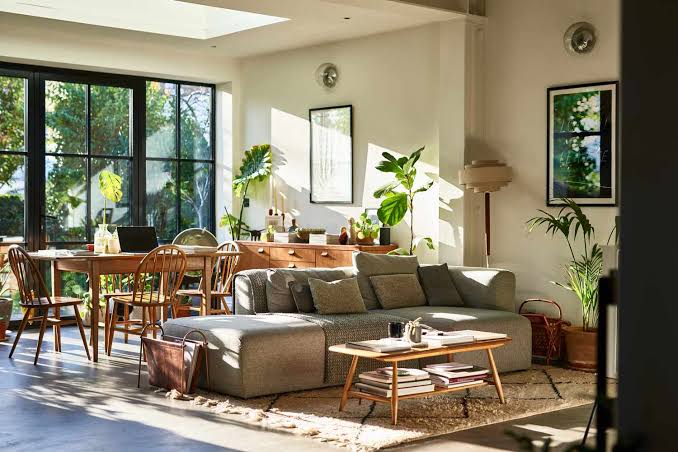
Frequent household clutter usually returns because objects don’t have easy, realistic places to go. Cleaning harder may produce a temporary reset, but the same mess returns when daily routines remain unchanged.
A lasting system makes putting something away almost as easy as leaving it out.
Study Where Clutter Naturally Collects
Instead of beginning with storage products, observe where items repeatedly accumulate. Entry tables may collect keys and mail. Kitchen counters may become temporary storage for shopping, chargers, paperwork, and reusable bags.
Those piles reveal where the existing system doesn’t match household behavior.
Ideas from regional home coverage may provide useful inspiration, but organization works best when it reflects the way people actually move through a particular home.
Give Frequently Used Items the Easiest Homes
The most-used items should generally be the simplest to retrieve and return. If putting shoes away requires opening a cupboard, moving a box, and arranging pairs perfectly, shoes will probably remain near the door.
| Clutter Area | Likely Cause | Practical System |
|---|---|---|
| Entryway | No drop zone | Tray, hooks, shoe space |
| Kitchen counter | Mixed categories | Dedicated containers |
| Bedroom chair | Clothing in transition | Hooks or hamper |
| Paper pile | No processing routine | Inbox tray |
Storage should remove decisions, not create more of them.
Reduce Before Adding Containers
Organizers can make clutter look neater without reducing it. Before buying bins, baskets, or shelving, decide whether the stored items still deserve space.
Discard broken objects, donate usable things you no longer want, and relocate items that belong elsewhere. Articles from general regional media may inspire new household ideas, but buying another organizer should follow a clear need rather than precede it.
Leave Some Empty Capacity
Storage packed to its absolute limit is difficult to maintain. Removing one item may cause several others to shift, and returning objects becomes inconvenient.
A little unused space makes shelves, drawers, and cupboards easier to operate over time.
Create Short Reset Routines
Organization doesn’t require constant cleaning. Short resets tied to existing routines are usually easier to maintain.
Clear the kitchen after dinner, return living-room items before bed, and process accumulated mail on a predictable day. Give each routine a defined endpoint so it doesn’t become an exhausting whole-house project.
Home ideas encountered through local online reading can be useful, but the most sustainable routines are usually simple enough to repeat when energy is low.
Why Perfect Organization Often Fails
Systems designed for photographs can be harder to maintain than they appear. Transferring every product into matching containers, folding every item precisely, or creating highly specific categories can add unnecessary steps.
Shared households create another challenge. A system that makes sense to one person may confuse everyone else. Visible labels, broad categories, open baskets, and obvious drop zones often outperform complicated arrangements because people can understand them immediately.
Frequently Asked Questions
Why does my house become cluttered again so quickly?
Recurring clutter usually points to excess belongings, missing storage locations, inconvenient systems, or routines that don’t include regular resets. Identifying the repeated pattern is more effective than repeatedly cleaning the same pile.
Should I buy storage containers before decluttering?
Usually not. Decluttering first helps reveal how much storage is actually necessary. Buying containers too early can preserve items you don’t need and add more objects to the home.
How often should I reset household clutter?
Small daily resets can prevent large buildups, while weekly sessions can handle paperwork, miscellaneous items, and deeper organization. The right schedule depends on household size and routines.
Design Systems for Normal Days
A home stays organized when the system works during ordinary, busy days rather than only after a major cleaning session. Put storage where clutter naturally forms, keep categories simple, and reduce unnecessary possessions before expanding storage.
The aim isn’t a permanently perfect house. It’s a home that can return to order quickly without requiring another full-scale cleanup.