
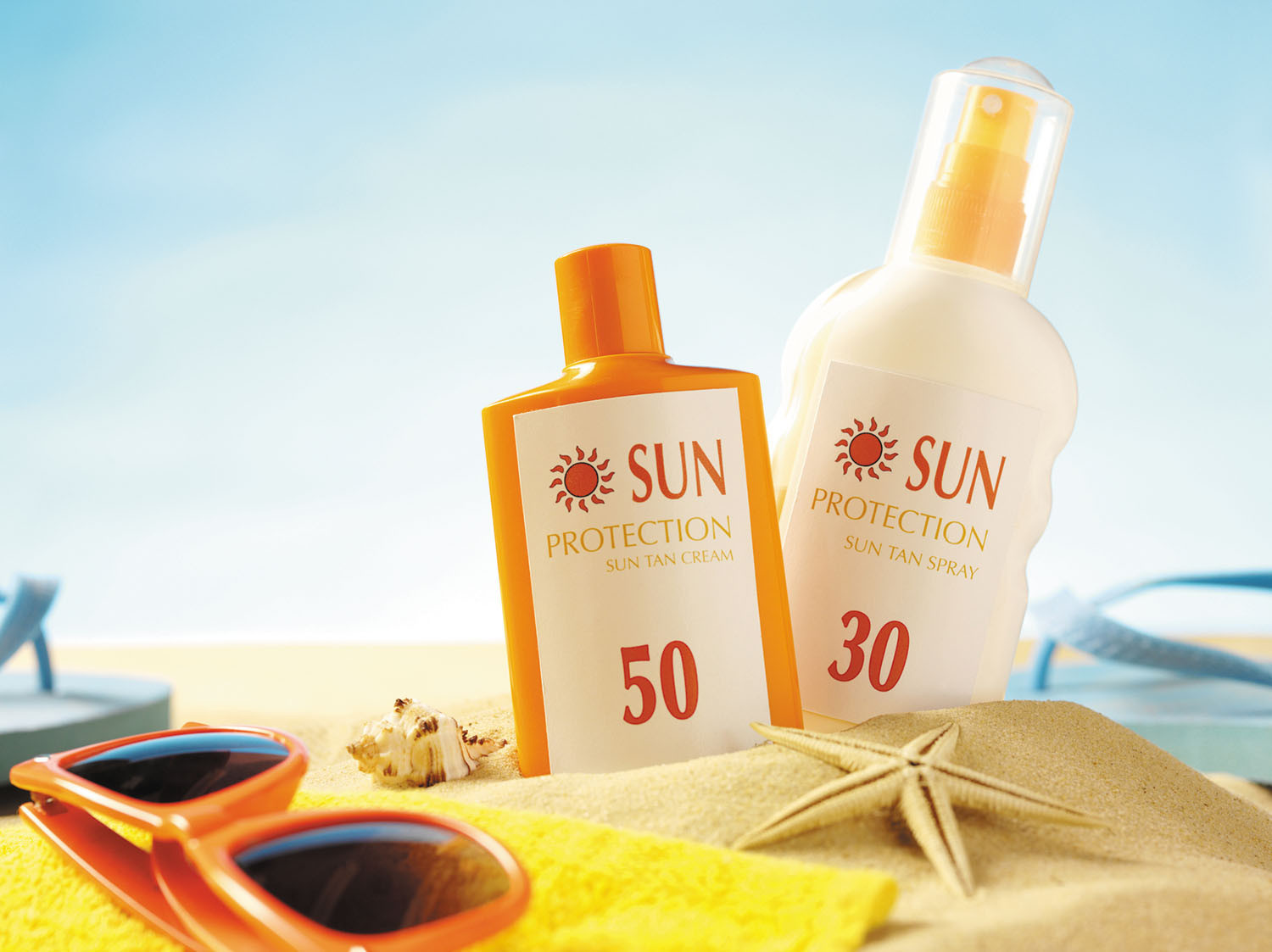
Repeated sunburn means your current protection habits are not consistently limiting ultraviolet exposure. Frequent sunburn problems can happen even when sunscreen is available because protection depends on more than applying a product once in the morning.
Shade, clothing, timing, sunscreen coverage, and reapplication all matter. Building several layers of protection is usually more dependable than relying on one habit.
Why Sunburn Keeps Happening
Sunburn develops after excessive ultraviolet exposure damages the skin. The risk changes with UV intensity, time outdoors, altitude, reflective surfaces, clothing, and how well exposed skin is protected.
The CDC recommends combining shade, protective clothing, and sunscreen when protection is needed rather than treating sunscreen as the only defense.
People reading sun-care background or other general websites should rely on public-health and dermatology authorities for specific sun-safety recommendations.
Build Shade Into Outdoor Plans
Seeking shade can reduce direct UV exposure, particularly during longer outdoor activities. It doesn’t eliminate all exposure because UV can still reach skin indirectly.
Planning breaks under a roof, umbrella, tree, or other shelter is often easier than trying to rescue already-burning skin later.
Everyday sun-safety reading can reinforce planning habits, but protection needs to continue throughout the time spent outdoors.
Use Clothing as Physical Protection
Long sleeves, pants, skirts, hats, and other covering reduce the amount of skin directly exposed. Tightly woven fabrics generally provide greater protection than loosely woven material.
For activities where sunscreen gets rubbed or washed away, clothing can provide a useful additional barrier.
Treat Sunscreen as One Part of the Routine
Sunscreen only protects the areas where it is applied adequately. Commonly missed areas include ears, the back of the neck, feet, hairlines, and exposed scalp.
Swimming, sweating, toweling, and long periods outdoors can reduce practical protection, making label-directed reapplication important.
Broader everyday wellness material may help organize healthy routines, but official sun-protection recommendations should guide decisions about UV exposure.
| Protection Layer | Main Benefit | Common Weak Point |
|---|---|---|
| Shade | Reduces direct exposure | Doesn’t block all UV |
| Clothing | Covers skin continuously | Some fabrics protect less |
| Sunscreen | Protects exposed areas | Missed spots or poor reapplication |
| Hat | Protects head and face | Limited neck coverage |
Where Sun Protection Commonly Breaks Down
Applying sunscreen once and assuming protection lasts through an entire day is an easy mistake. Another is using sunscreen to justify staying in strong sun longer than you otherwise would.
Clouds can also create false confidence. UV exposure doesn’t disappear simply because the temperature feels comfortable or the sky looks less bright.
When Does Sunburn Need Medical Attention?
Mild sunburn can often be managed with basic supportive care, but severe symptoms need more attention. Seek medical advice for extensive blistering, worsening swelling, severe pain, or symptoms that are difficult to manage.
Urgent evaluation may be appropriate if significant sun exposure is followed by confusion, fainting, marked weakness, severe dehydration symptoms, or other signs of serious heat-related illness. The CDC’s current sun-safety guidance explains how shade, protective clothing, and sunscreen work together to reduce excessive UV exposure.
Frequently Asked Questions
Can you get sunburned on a cloudy day?
Yes. Cloud cover can reduce some sunlight but does not necessarily eliminate ultraviolet exposure. Protection can still be appropriate when UV levels are elevated.
Why do I still burn while wearing sunscreen?
Possible reasons include missed areas, insufficient coverage, failure to reapply, sweating or swimming, long exposure, or depending on sunscreen without shade and protective clothing.
Does getting a tan protect against future sunburn?
A tan should not be treated as dependable protection. Skin can still receive damaging ultraviolet exposure and can still burn.
Make Protection Automatic
Preventing recurring sunburn becomes easier when sun protection is built into the activity rather than remembered after exposure begins. Pack protective clothing, identify shade, cover commonly missed areas, and use sunscreen according to its directions.
If sunburns remain frequent despite those habits, review exactly where your routine is failing and discuss unusual skin reactions with a healthcare professional.
This article is for general informational purposes and is not a substitute for professional medical advice, diagnosis, or treatment.