
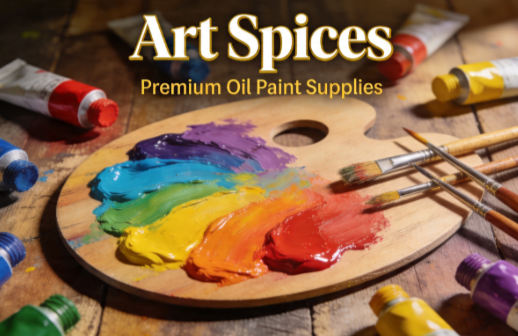
Oil Painting can feel exciting and intimidating at the same time, especially when shelves are packed with unfamiliar tubes and labels. This guide explains how beginners can choose the right paints, understand quality differences, and build confidence with fine art techniques without wasting money on supplies they do not need.
What Is Oil Painting?
Oil Painting is a traditional art method that uses pigments mixed with drying oils, most commonly linseed oil, to create slow-drying, blendable color. Unlike acrylics, oils stay wet longer, which gives artists more time to adjust tones, soften edges, and layer details carefully. If you want a helpful background on the medium itself, Tate’s guide to oil paint offers useful context for beginners.
What makes oil painting special is its versatility. You can create transparent glazes, thick textured marks, or smooth realistic finishes with the same basic materials. For new artists, the key is understanding that paint quality affects color strength, texture, handling, and long-term results. Choosing the right paints early makes learning easier and far less frustrating.
Why Paint Choice Matters
The paints you choose shape your entire learning experience. Good-quality oils mix more cleanly, hold their color better, and respond more predictably on the canvas. That means less struggle with dull mixtures, weak coverage, or uneven texture.
For anyone shopping for oil paints for beginners, the goal is not to buy the biggest set. It is better to start with a few reliable colors that teach color mixing, layering, and brush control. The right paint can help you build skill faster, save money over time, and enjoy the process more from the start.
Main Types of Oil Paints
Oil paints generally fall into two main categories: student-grade and artist-grade. Student-grade paints are more affordable and designed for practice, but they often contain less pigment and more filler. Artist-grade paints cost more, yet they usually offer stronger color, better coverage, and cleaner mixing.
You will also notice differences in consistency. Some paints feel buttery and smooth, while others are stiff and hold brush marks. Paints also vary by pigment type, drying speed, opacity, and finish. Understanding these categories helps beginners choose paints that match their style, budget, and preferred fine art techniques.
How to Get Started
Starting with oil painting becomes much easier when you keep your setup simple.
- Choose a limited palette, such as titanium white, ultramarine blue, cadmium yellow hue, alizarin crimson hue, and burnt umber.
- Buy a few quality tubes instead of a large mixed set with colors you may never use.
- Start with student-grade paints from a trusted brand if budget matters, then upgrade individual colors later.
- Use a prepared canvas or oil painting paper so you can focus on paint handling rather than surface issues.
- Practice basic exercises first, including mixing warm and cool tones, making value scales, and painting simple objects.
This approach helps you learn paint behavior before you invest in a larger collection.
Common Challenges and Mistakes
Many beginners assume every tube of oil paint performs the same, but that is rarely true. Cheaper paints can look chalky, feel greasy, or lose intensity when mixed. That often leads new artists to think their technique is the problem when the paint quality is actually part of the issue.
Another common mistake is buying too many colors too soon. Large sets can create confusion and muddy mixtures because beginners rely on pre-made shades instead of learning color relationships. Some people also use too much medium early on, which can make paint slippery and hard to control. A simple palette and steady practice usually produce better results than a crowded box of supplies.
Tips for Better Results
Choose the best white paint you can afford because white is used constantly and strongly affects mixing. Replace weak colors first, especially the ones you use most often, rather than upgrading everything at once. This is often the smartest way to move toward artist-grade oil paints without overspending.
As you practice fine art techniques, pay attention to how each paint feels on the brush. Some colors spread smoothly, while others are naturally thicker or more transparent. Keep notes on drying time, mixing strength, and coverage so you can make smarter buying decisions. Over time, this habit helps you build a paint collection based on real experience, not marketing.
Comparing Your Options
Traditional oil paints are the classic choice for depth, blending time, and broad professional use. Water-mixable oils are easier for artists who want simpler cleanup, though they can feel slightly different depending on the brand. Both can produce strong results, so the best choice depends on your workflow and comfort level.
Student-grade paints are ideal for learning fundamentals on a budget. Artist-grade paints are better when you want stronger pigment, richer color, and more consistency. Buying open-stock tubes gives you more control than boxed sets because you can choose only the colors you actually need. For most beginners, a small custom palette is more useful than a large starter kit.
Advanced Insights and Next Steps
As your skills improve, you will notice that paint selection is about more than price. Pigment load, lightfastness, transparency, and texture all influence the final image and its durability. Learning to read paint labels will help you understand which colors are permanent, which dry faster, and which work best for glazing or impasto.
The oil painting world is also evolving. More brands now focus on safer studio practices, better labeling, and eco-conscious solvent alternatives. Online courses and artist demos make it easier than ever to compare materials before buying. As beginners grow into confident painters, smarter paint choices will continue shaping stronger, more intentional artwork in the years ahead.
Choosing the right supplies is the first smart step in Oil Painting. Start with a limited palette, learn how different paints behave, and upgrade slowly as your skills improve. With patience and practice, better paint choices will support stronger technique, cleaner color, and more confident artwork every time you paint.
FAQs
What are the best colors to start with in oil painting?
A limited palette is best for most beginners. Start with titanium white, ultramarine blue, a yellow, a red, and burnt umber so you can learn color mixing without getting overwhelmed.
Are expensive oil paints worth it for beginners?
They can be, but you do not need a full professional set right away. A few better-quality tubes often teach more than a large cheap set because the paint mixes more clearly and behaves more predictably.
What is the difference between student-grade and artist-grade oil paints?
Student-grade paints usually contain less pigment and more fillers, which lowers cost. Artist-grade oil paints have stronger color, better coverage, and more reliable performance, especially for detailed fine art techniques.
Can beginners use water-mixable oils instead of traditional oils?
Yes, many beginners like them because cleanup is easier and they reduce the need for solvents. They are a practical option if you want the feel of oil painting with a simpler setup.
How long does oil paint take to dry?
Drying time depends on the pigment, thickness of the layer, and environment. Some thin layers may feel dry in a few days, while thicker passages can take much longer.
Do I need painting mediums right away?
Not necessarily. Beginners can learn a lot by using paint straight from the tube before adding mediums. Once you understand basic handling, mediums become more useful for changing flow, gloss, or drying speed.
Why do my oil paint colors look muddy?
Muddy color often comes from overmixing or using too many colors at once. A limited palette, cleaner brushes, and better paint quality can make your mixtures look fresher and more controlled.
What is the best surface for oil paints for beginners?
Pre-primed canvas, canvas panels, and oil painting paper are all good starting points. The best choice depends on your budget, but a properly prepared surface helps paint sit well and last longer.
How do I know if a paint is good for archival work?
Check the label for lightfastness, pigment information, and brand reputation. Paints with strong permanence ratings are usually a better choice if you want your oil painting to stay stable over time.
When should I upgrade to artist-grade oil paints?
Upgrade when you start noticing limitations in color strength, mixing, or coverage. Many artists begin by replacing only the most-used colors, which is a cost-effective way to improve results step by step.