
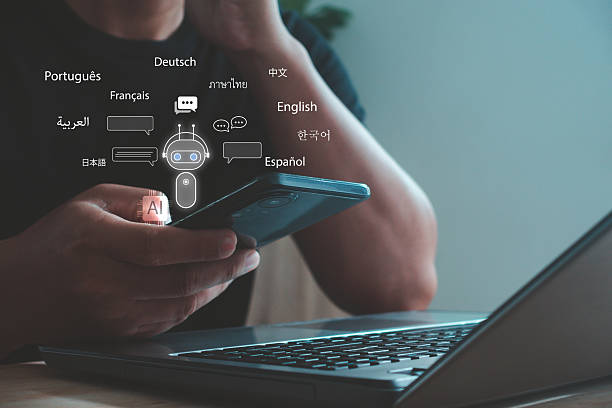
Have you ever sat in a room where people are speaking different languages and still everyone understands each other?
Have you thought about how meetings, events, or conferences run smoothly even when guests come from many countries? The answer is interpretation. Interpretation helps people share ideas clearly, even when they do not speak the same language.
Language is a big part of human connection. When people understand each other, they feel comfortable, respected, and included. Interpretation makes this possible in schools, hospitals, business meetings, government events, and even community programs. It helps people speak in their own language and still be understood by others.
What Is Interpretation And Why Does It Matter
Interpretation means listening to someone speaking in one language and then sharing the same message in another language. The goal is to keep the meaning, tone, and feeling of the message clear. It is not just about changing words. It is about naturally sharing the real message.
Interpretation plays an important role in building understanding between people from different countries and cultures.
How Interpretation Works In Real Life
Imagine an international conference where speakers come from many parts of the world. Each speaker talks in their own language. An interpreter listens carefully and quickly shares the same message in another language so the audience can understand.
This process keeps communication smooth and active. There are different ways interpretation happens.
One common method is Simultaneous interpretation. In this method, the interpreter speaks almost at the same time as the original speaker. This helps meetings move forward without delay. It is often used in large events, conferences, and global discussions.
Another method is consecutive interpretation, where the speaker pauses after a few sentences, and then the interpreter shares the message. Both methods help people stay connected and informed.
Interpretation supports:
- International meetings and conferences
- Medical appointments
- Courtrooms and legal settings
- Educational programs
- Community events
In each case, the focus is on clear communication and mutual respect.
Building Strong Global Communication
Communication across languages builds trust and cooperation. When people can express themselves in their own language, they feel confident. Interpretation makes sure that ideas, opinions, and feelings are shared properly.
After understanding how interpretation works, it is helpful to see how it supports global conversations in daily life.
Expert Interpretation For Global Conversations
In international business, leaders from different countries often sit together to discuss plans and ideas. They may not speak the same language, but Expert interpretation for global conversations allows them to communicate clearly. Interpreters help make sure that every detail is shared correctly. This supports teamwork and strong partnerships.
In education, interpretation allows students and parents to understand school programs and academic information. In healthcare, it helps doctors and patients talk clearly about treatment and care. These situations show how interpretation supports understanding in real and meaningful ways.
Interpretation also respects culture. Every language carries feelings and traditions. A skilled interpreter understands this and shares the message in a way that matches the cultural tone. This creates comfort and clarity.
The Human Side Of Interpretation
At the heart of interpretation is human connection. An interpreter listens with full attention. They understand the message and then share it clearly. It requires focus, language skills, and cultural knowledge.
People often feel happy and relaxed when they hear their own language in a foreign place. It creates a sense of belonging. Interpretation helps remove language gaps and allows people to take part in conversations confidently.
Simultaneous interpretation especially supports fast-moving events. It keeps the energy of the event alive because listeners receive the message instantly. This method is useful in global summits and large gatherings where time matters.
Why Interpretation Is Important In Today’s Connected Society
Today, travel, education, and business connect people from different countries every day. Interpretation helps these connections grow stronger. It supports cooperation between nations and communities.
When people understand each other, they can share knowledge, build friendships, and work toward shared goals. Expert interpretation for global conversations makes this possible by turning language differences into opportunities for connection.
Interpretation also encourages inclusion. It allows everyone to participate fully, no matter which language they speak. This creates equal space for communication and respect.
Growing Opportunities Through Language Support
Many international events now include interpretation services as a standard part of planning. This shows how important language support has become. It allows speakers to talk naturally and listeners to understand clearly.
Students attending international universities benefit from interpretation during seminars and workshops. Businesses expanding into new markets also rely on interpretation to communicate clearly with partners and clients.
Even cultural festivals and online webinars use Simultaneous interpretation to reach a wider audience. This shows how interpretation positively connects people across borders.
Final Thoughts
Interpretation plays a valuable role in helping people communicate across different languages. It supports understanding, respect, and cooperation in many areas of life.
From Simultaneous interpretation at global conferences to Expert interpretation for global conversations in business and education, language support keeps communication clear and meaningful. When people understand each other, they build stronger relationships and share ideas openly. Interpretation makes this possible every day simply and humanly.

