
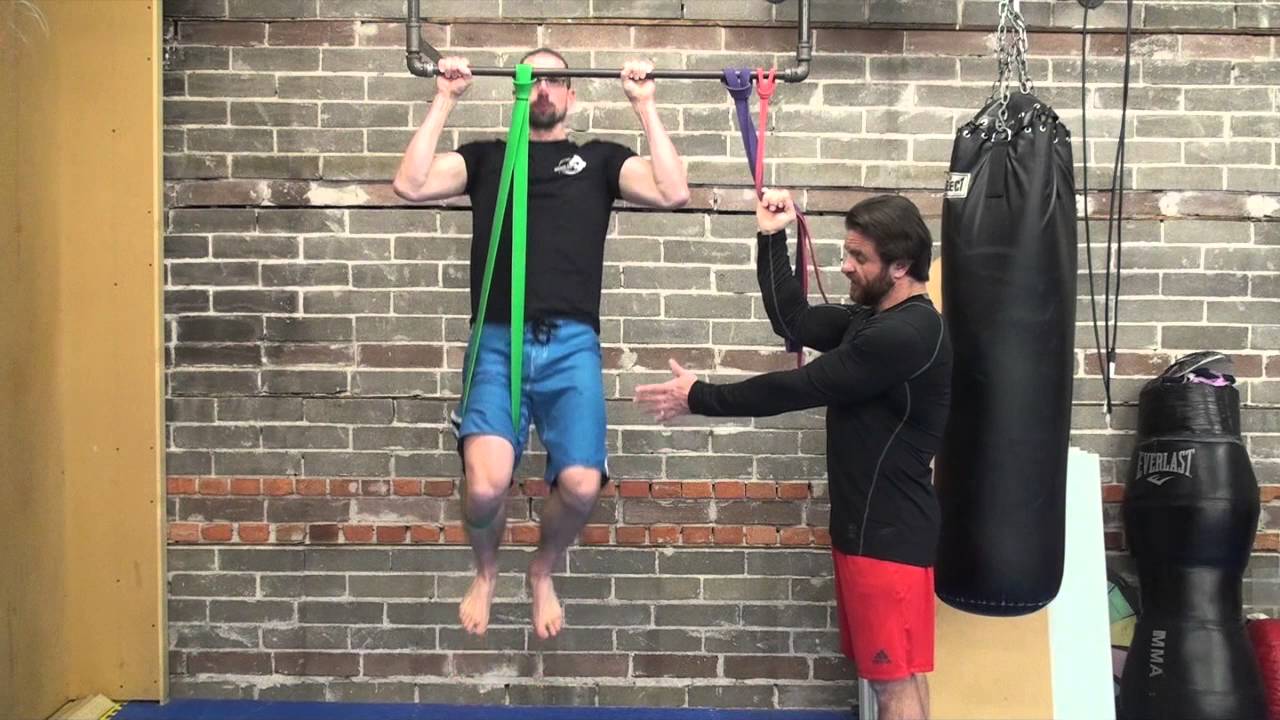
Pull-up bands are designed to provide support during exercises, making them an excellent option for anyone looking to build upper body strength. They are commonly used to assist with pull-ups, one of the most effective exercises for developing the back, shoulders, and arms. By reducing the amount of weight you need to pull up, these bands make it easier to perform the exercise correctly, allowing you to focus on your technique and gradually build strength.
What Are Pull-Up Assistance Bands?
Pull-up assistance bands, often referred to simply as pull-up bands, are elastic bands designed to assist individuals in performing pull-ups. They come in various resistance levels, which can be tailored to your specific needs and fitness level. The primary function of these bands is to provide support by counterbalancing some of your body weight, making it easier to perform pull-ups.
These stretch bands for pull-ups are typically made from durable latex or rubber materials, ensuring they can withstand significant tension and use over time. They come in a variety of thicknesses, each offering a different level of resistance. Thicker bands provide more assistance, making them ideal for beginners who might struggle with the full weight of a pull-up. Conversely, thinner bands offer less assistance, suitable for those looking to challenge themselves further.
The versatility of pull-up assistance bands extends beyond just aiding in pull-ups. They can also be used for a multitude of exercises, including resistance training and stretching routines, making them a valuable addition to any workout regimen.
How to Choose the Right Pull-Up Assistance Band
Selecting the right pull-up assistance band is crucial to ensure you receive the appropriate level of support and can progress effectively in your training. Here are some factors to consider when choosing a band:
- Resistance Level:
- Beginner: Opt for thicker bands that provide more support.
- Intermediate: Choose medium resistance bands to challenge your strength.
- Advanced: Use thinner bands that offer minimal assistance.
- Material and Durability:
- Always check the material quality. Latex bands are known for their durability and elasticity. Ensure the bands are constructed from high-quality materials to withstand frequent use.
- Length and Width:
- The length of the band should be adequate for your height and the specific exercises you plan to perform. Wider bands typically offer more resistance.
- Brand and Reviews:
- Research different brands and read customer reviews to ensure you’re purchasing a reliable product. Brands with a strong reputation for quality and customer satisfaction are often a safe choice.
Different Types of Pull-Up Bands
Pull-up bands come in various types, each offering unique benefits and catering to different fitness levels and goals. Understanding the differences can help you choose the right band for your workout needs.
1. Standard Resistance Bands:
Standard resistance bands are the most common type used for pull-up assistance. They come in a range of resistance levels, from light to extra heavy, allowing you to select the level of assistance you need. These bands are versatile, making them suitable for a variety of exercises beyond pull-ups.
2. Loop Bands:
Loop bands are a continuous loop of elastic material, often used for both assistance and resistance exercises. They are particularly useful for pull-ups, as the loop design offers a secure grip on the bar and around your body. They are also excellent for lower body workouts, such as squats and lunges.
3. Tube Bands with Handles:
These bands feature handles at each end, providing a comfortable grip. While not typically used for pull-up assistance, they can be incorporated into resistance training exercises to complement your pull-up routine. They are ideal for performing exercises that target the arms, chest, and back.
4. Fabric Bands:
Fabric bands are made from woven fabric and are known for their comfort and durability. They are less likely to roll or slip during exercises, making them a great option for those who prefer a stable band. While they offer less stretch compared to latex bands, they are still effective for pull-up assistance and other resistance exercises.
Effective Exercises with Pull-Up Bands
Pull-up bands are not only useful for assisting with pull-ups but can also enhance a wide range of exercises, providing resistance and support to improve your overall strength and flexibility.
1. Assisted Pull-Ups:
Attach the band to the pull-up bar and place your knee or foot in the loop. This setup will help reduce the amount of bodyweight you need to lift, allowing you to focus on your form and gradually increase your strength.
2. Band-Assisted Push-Ups:
Wrap the band around your back and hold each end in your hands. The band provides additional resistance during the push-up, increasing the intensity of the exercise and targeting your chest, shoulders, and triceps.
3. Band Squats:
Stand on the band with feet shoulder-width apart and hold the other end with your hands. As you squat, the band provides resistance, engaging your legs and core muscles more effectively than bodyweight squats alone.
4. Tricep Extensions:
Anchor the band in a door or any secure point above your head. Hold the ends of the band with your hands and extend your arms downward, working against the resistance to target your triceps. This exercise has been shown to effectively increase arm muscle strength.
5. Resistance Band Rows:
Loop the band around a sturdy object and hold the ends with both hands. Step back to create tension in the band, then pull the band towards your torso, squeezing your shoulder blades together. This exercise is excellent for building back strength.
Incorporating these exercises into your routine can help you build a balanced and effective workout plan that targets multiple muscle groups, enhancing your overall fitness.
Advanced Techniques for Pros
For seasoned athletes and fitness enthusiasts, pull-up assistance bands can still play a crucial role in advancing your workout regimen. Here are some advanced techniques you can explore:
1. Progressive Resistance Training:
Use bands with varying resistance levels to challenge your muscles progressively. Start with a thicker band, and as you gain strength, transition to thinner bands to decrease assistance gradually, forcing your muscles to work harder.
2. Plyometric Pull-Ups:
Incorporate explosive movements into your pull-up routine by using bands to assist with plyometric pull-ups. The band will help propel you upwards, allowing you to focus on speed and power, which is essential for developing fast-twitch muscle fibers.
3. Eccentric Training:
Focus on the eccentric (lowering) phase of the pull-up by using the band to assist you in the upward motion, and then slowly lowering your body without assistance. This technique emphasizes muscle lengthening and can lead to significant strength gains.
4. Supersetting with Resistance Bands:
Combine band-assisted pull-ups with other band exercises in a superset format to increase workout intensity and target multiple muscle groups simultaneously. For example, perform a set of band-assisted pull-ups followed immediately by band rows or push-ups.
5. Band-Resisted Push-Ups:
Challenge your upper body strength by using bands to add resistance to push-ups. Place the band across your back and secure it under your palms on the floor. This variation increases the difficulty of the exercise, pushing your muscles to adapt and grow stronger.
Conclusion
Pull-up assistance bands are a versatile and essential tool for both beginners and experienced athletes. They offer a wide range of benefits, from providing support during pull-ups to enhancing the intensity of various exercises. Whether you’re just starting or looking to take your training to the next level, pull-up assistance bands can help you achieve your fitness goals. They are a cost-effective and portable solution that can be used anywhere, making them an excellent investment for anyone serious about their health and fitness.