
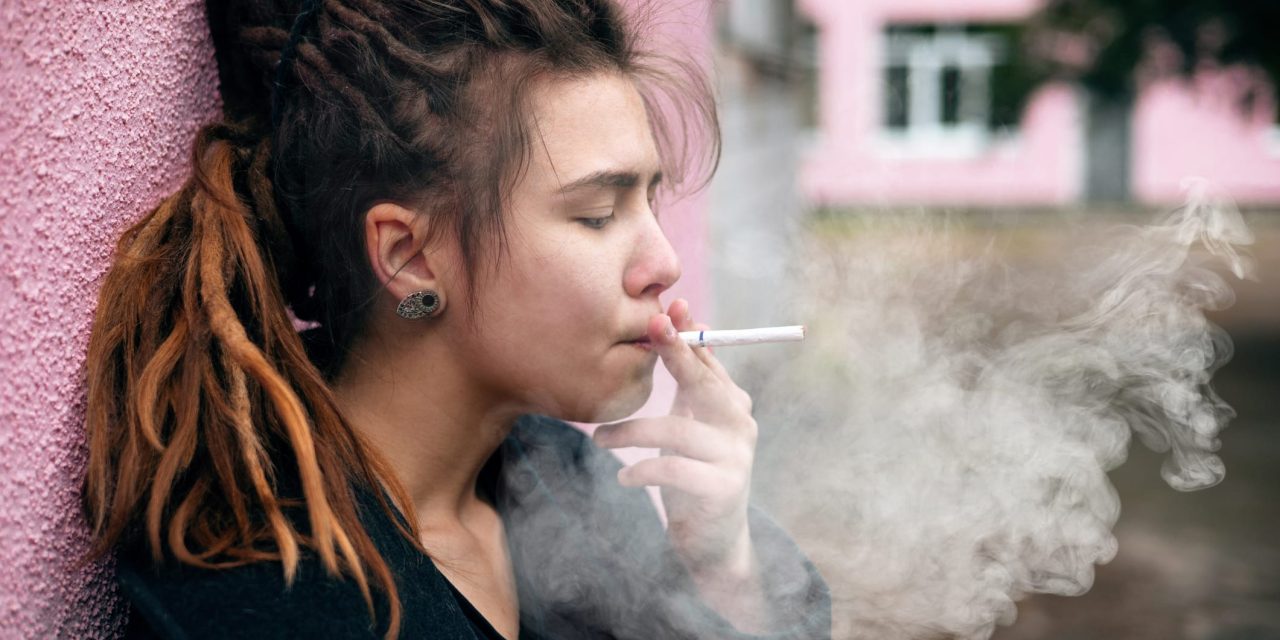
Smoke does not need to come from your own cigarette to affect your breathing. Secondhand tobacco smoke, wildfire smoke, burning materials, and other airborne pollutants can irritate the respiratory system and become especially troublesome for people with asthma, lung disease, or cardiovascular conditions.
The most useful strategy is exposure reduction. Air fresheners and fragrances do not remove the harmful pollutants contained in smoke.
Why Secondhand Smoke Deserves Attention
Secondhand tobacco smoke contains pollutants produced by burning tobacco and smoke exhaled by a person who is smoking. Exposure can affect both adults and children.
The CDC’s secondhand smoke guidance states that there is no safe level of secondhand smoke exposure and links exposure with serious cardiovascular and respiratory health effects. Children can be particularly vulnerable to respiratory infections and asthma problems.
Reduce Exposure at the Source
Asking people to smoke outdoors and away from doors, windows, and other air intakes is more useful than attempting to cover indoor smoke with fragrance.
People browsing clean-air wellness reading may encounter many products marketed for fresher indoor air. No scented spray can substitute for removing the smoke source itself.
In shared buildings, smoke may sometimes move through hallways, cracks, balconies, ventilation paths, or open windows, making source control more complicated.
Make Indoor Air Habits More Practical
Closing openings that directly admit outdoor smoke may help during episodes of poor outdoor air, although the right approach depends on the source and building conditions.
General home health resources may discuss ventilation as universally beneficial, but outdoor conditions matter. Opening windows during heavy wildfire smoke, for example, can bring more polluted air indoors.
| Exposure Situation | Main Concern | Useful Priority |
|---|---|---|
| Indoor smoking | Ongoing secondhand smoke | Remove the source |
| Smoke near windows | Outdoor smoke entering | Close affected openings |
| Wildfire smoke | Widespread particles | Follow local air guidance |
| Workplace exposure | Repeated contact | Report and reduce exposure |
Recognize Patterns in Breathing Symptoms
Cough, throat irritation, watery eyes, wheezing, and chest discomfort can occur after smoke exposure, but these symptoms are not unique to smoke.
People reading everyday breathing information should treat online material as general context rather than proof that a particular exposure caused a symptom. Timing, medical history, severity, and other environmental triggers all matter.
Anyone with asthma should follow their established medical plan when smoke triggers symptoms and contact their clinician if the usual plan is no longer controlling them.
What People Often Get Wrong About Smoke
A room that no longer smells smoky is not necessarily free from harmful exposure. Odor is an unreliable measure of air safety, and masking the smell does not remove pollutants.
Another mistake is assuming brief exposure never matters. The level of risk depends on the type and amount of smoke, the person’s health, and the situation. Repeated exposure is especially worth addressing instead of accepting it as unavoidable.
Red Flags That Need Prompt Attention
Seek medical evaluation if smoke exposure is followed by persistent wheezing, repeated asthma symptoms, worsening cough, or breathing difficulty that does not settle after leaving the exposure.
Emergency care may be needed for severe shortness of breath, chest pain or pressure, confusion, fainting, bluish lips or face, or inability to breathe comfortably. Leave an unsafe smoke environment when possible rather than waiting for serious symptoms to progress.
Frequently Asked Questions
Does opening a window remove secondhand smoke?
Not reliably. Ventilation may change the concentration or movement of smoke, but separating people from the smoke source is more dependable than trying to ventilate active indoor smoking.
Can smoke trigger asthma symptoms?
Yes. Smoke is a common respiratory irritant and may trigger coughing, wheezing, chest tightness, or breathing difficulty in people with asthma.
Are air fresheners useful against smoke exposure?
They may change the smell of a room, but they do not remove the underlying harmful substances produced by tobacco smoke or other combustion sources.
Make Exposure Reduction the Priority
Better breathing starts with reducing contact with smoke rather than covering its smell. Keep indoor spaces smoke-free, respond appropriately to outdoor smoke conditions, and notice whether respiratory symptoms consistently appear around a particular exposure.
If breathing problems are persistent, worsening, or severe, seek medical care so another respiratory or cardiovascular problem is not overlooked.
This article is for general informational purposes and is not a substitute for professional medical advice, diagnosis, or treatment.