If you’ve ever wondered what is PPF for cars, it’s time to understand how this innovative solution keeps vehicles looking pristine. Paint Protection Film, or PPF, is a clear, durable layer applied over a car’s paint to guard against scratches, chips, stains, and other common damage. At Trent’s Total Auto Care, this service helps drivers protect their investment while maintaining a glossy, showroom-quality finish for years to come.
Even the most cautious drivers encounter situations that can harm a car’s exterior. From gravel on the highway to minor shopping cart collisions in a parking lot, everyday wear can take a toll. PPF acts as a shield, absorbing impacts that would otherwise damage the paint. Beyond physical protection, it also preserves the vehicle’s resale value by keeping the exterior in top condition.
How Paint Protection Film Works
Paint Protection Film is designed to be both strong and subtle. The film is made from thermoplastic urethane, a material known for its toughness and flexibility. Once professionally applied, it forms an almost invisible barrier that covers vulnerable areas of the car’s body. This includes the hood, bumpers, side mirrors, and other high-impact sections prone to scratches and chips.
One of the most remarkable qualities of PPF is its self-healing ability. Minor scratches on the surface disappear with exposure to heat, such as sunlight or the warmth of a hand. This ensures the film continues to look flawless, maintaining the car’s aesthetic appeal without constant maintenance.
Benefits of Installing PPF
The benefits of PPF extend beyond scratch protection. A well-installed film offers long-lasting durability, reducing the need for frequent paint repairs. It also shields the vehicle from chemical stains caused by road salts, bird droppings, and tree sap, which can otherwise leave permanent marks.
Because PPF is clear and designed to adhere seamlessly to the car’s contours, it does not interfere with the original paint color or finish. Drivers can enjoy full protection without altering the car’s appearance. Additionally, modern PPF products are resistant to yellowing over time, keeping the vehicle looking fresh and new even after years on the road.
Another benefit is the time saved on upkeep. Without PPF, minor scratches, swirl marks, and fading require attention and occasional polishing. With the protective film in place, these issues are minimized, leaving the car looking cleaner for longer periods.
Maintenance and Care
Caring for a car with PPF is straightforward. Regular washing using gentle, non-abrasive methods is recommended, while automatic car washes with harsh brushes should be avoided to prevent damage to the film. If minor imperfections appear, heat can be applied to help the film return to its original state, thanks to its self-healing properties.
While PPF provides substantial protection, it is not invincible. Deep, high-impact scratches or repeated exposure to harsh chemicals may compromise the film. However, these instances are far less frequent than the everyday risks the car faces without a protective layer. Proper maintenance ensures the film continues to provide effective coverage and keeps the vehicle looking its best.
Common Misconceptions About PPF
Some drivers hesitate to invest in PPF, thinking it will significantly alter the car’s look or feel. In reality, the film is nearly invisible when applied correctly and does not change the vehicle’s finish. Others assume it is only useful for new cars, but PPF can be applied to older vehicles as well, helping to maintain or restore their exterior appeal.
Another misconception is that PPF requires intensive upkeep. While some care is necessary to preserve the film’s effectiveness, the maintenance is comparable to regular vehicle washing. The benefits, however, far outweigh the minimal effort involved. PPF essentially provides a worry-free layer of protection, allowing drivers to focus on enjoying their vehicle rather than constantly monitoring for scratches or damage.
Choosing the Right Areas to Cover
Deciding which parts of the car to cover with PPF depends on the vehicle’s use and exposure to risks. High-contact areas like the front bumper, hood, side mirrors, and fenders are the most common targets for damage. Some drivers opt for full-body coverage, especially for luxury or high-value cars, to ensure complete protection against scratches, chips, and environmental factors.
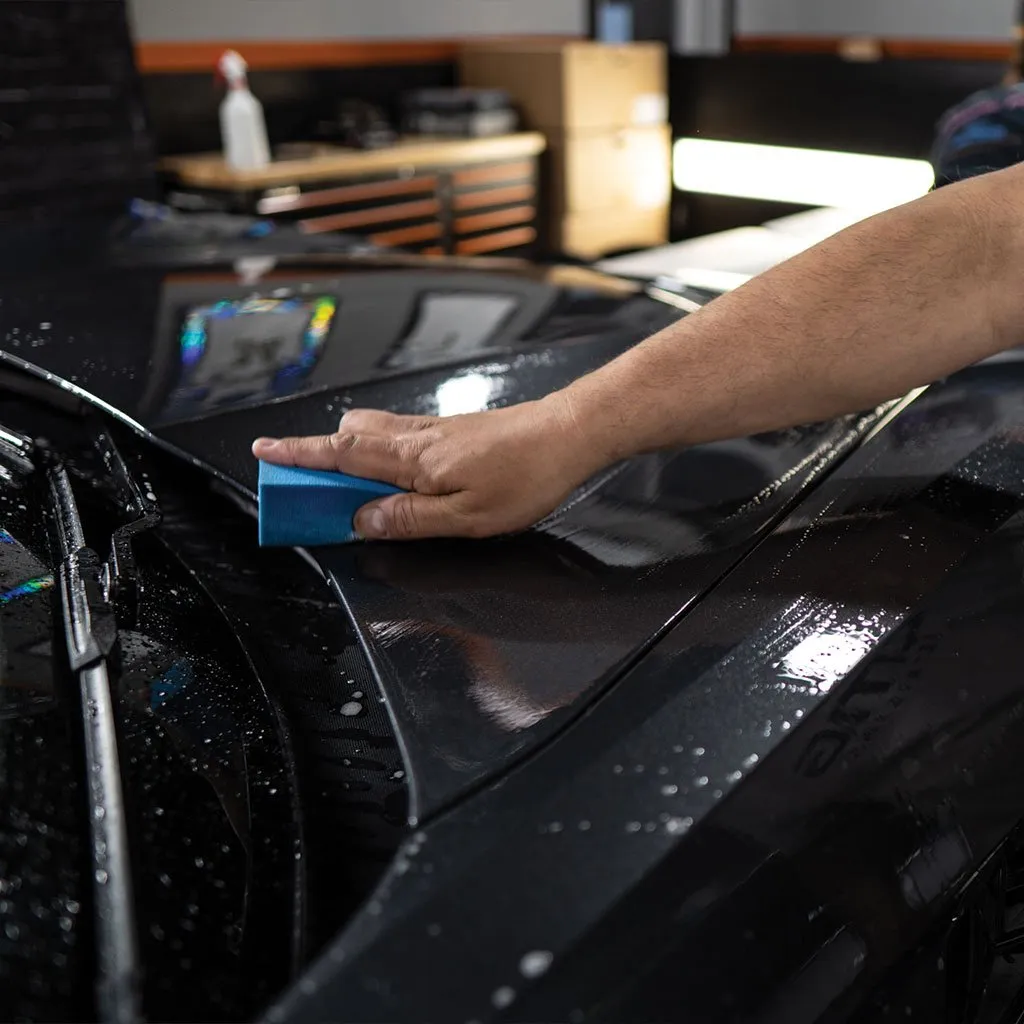
Professional installation is recommended to ensure the film is applied smoothly and securely, without bubbles or visible seams. This level of expertise guarantees that the film works effectively while preserving the car’s appearance and overall finish.
PPF vs. Other Protection Options
Paint protection comes in various forms, including ceramic coatings and wax. While these options offer some level of scratch and chemical resistance, PPF provides a physical barrier that ceramic coatings or wax cannot replicate. PPF absorbs impacts, making it particularly effective against rock chips, minor collisions, and abrasion from everyday driving. Combining PPF with other protective measures can provide a comprehensive solution for car owners seeking maximum longevity for their vehicle’s finish.
PPF also avoids some common issues of other methods. For example, ceramic coatings can improve water repellency and gloss but do not prevent physical damage. Wax offers temporary shine and protection but wears off quickly. PPF fills this gap by providing long-lasting, physical coverage without compromising appearance.
Cost Considerations
The initial investment in PPF may seem higher compared to traditional protective methods, but it offers substantial long-term value. By preventing paint damage and the need for frequent touch-ups, PPF can save money over time. Additionally, preserving the car’s appearance and resale value adds financial benefits that go beyond immediate repairs.
Professional installation is key. A precise, careful application ensures the film adheres properly and functions as intended. Attempting a DIY approach can result in bubbles, wrinkles, or peeling, which diminishes both protection and aesthetics. Investing in a professional service guarantees durability, seamless appearance, and peace of mind.
Conclusion
Understanding what is PPF for cars highlights how this protective film is a practical and lasting solution for maintaining a vehicle’s appearance. With a combination of impact resistance, chemical protection, and self-healing properties, PPF keeps a car looking its best while guarding against everyday hazards. Trent’s Total Auto Care provides expert PPF installation, ensuring that vehicles receive the highest level of care and durability.
For more information, visit trentstotalautocare.com and discover how PPF can preserve a car’s exterior for years to come.