
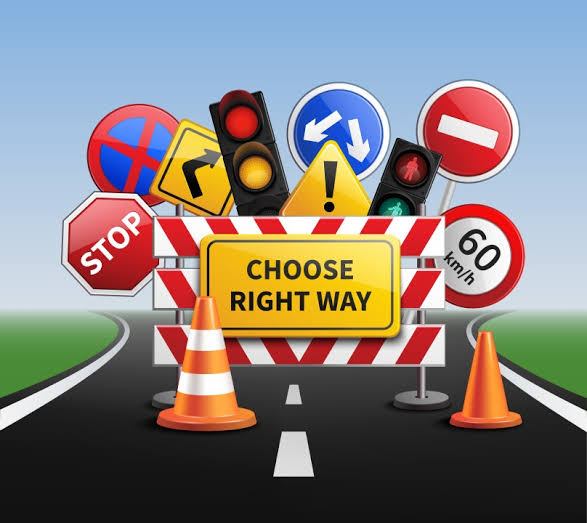
Every day, millions of Australians rely on the road network to travel to work, school, appointments and recreational activities. Whether travelling by car, truck, bicycle, motorcycle or on foot, everyone shares the responsibility of making roads safer.
While road infrastructure and vehicle technology continue to improve, human behaviour remains one of the biggest factors influencing road safety.
According to the Australian Government’s National Road Safety Data Hub, 1,332 people lost their lives on Australian roads in the previous 12 months, highlighting that road trauma remains a significant national issue. Read the latest figures from the National Road Safety Data Hub.
Creating safer roads requires cooperation from every road user—not only drivers but also cyclists, pedestrians, motorcyclists and public transport users.
Understanding Who Road Users Are
The term “road users” includes everyone who interacts with Australia’s transport network, including:
- Drivers of passenger vehicles
- Heavy vehicle operators
- Motorcyclists
- Cyclists
- Pedestrians
- E-scooter and mobility device users
- Public transport passengers
Each group has different responsibilities, but they all contribute to improving road safety through awareness, courtesy and compliance with road rules.
Why Vulnerable Road Users Need Extra Protection
Some road users face a much greater risk of serious injury because they have little or no physical protection during a collision. These include pedestrians, cyclists, motorcyclists, children, older Australians and people using mobility devices.
Protecting vulnerable road users has become a growing priority across Australia as cities become busier and transport options continue to evolve.
The Australian Government reports that pedestrians, cyclists and motorcycle riders continue to represent a significant proportion of road fatalities despite making up a smaller share of overall road traffic. National road safety data also shows that vehicle speed dramatically affects survival rates, with the risk of fatal injury increasing substantially as impact speeds rise.
Common Factors That Contribute to Road Incidents
Many crashes occur because of preventable behaviours rather than unavoidable circumstances.
Some of the most common contributing factors include:
- Speeding
- Driver distraction
- Fatigue
- Alcohol or drug impairment
- Failure to give way
- Unsafe overtaking
- Poor visibility
- Inadequate observation around intersections and crossings
While governments continue investing in safer roads, individual decision-making remains essential for preventing collisions.
Building a Culture of Shared Responsibility
Road safety is not solely the responsibility of drivers. Every road user has a role to play in reducing risks for themselves and others.
Drivers can improve safety by:
- Slowing down in school zones and residential streets
- Leaving adequate space when passing cyclists
- Checking blind spots before changing lanes
- Remaining alert around pedestrian crossings
- Avoiding distractions such as mobile phones
Cyclists and motorcyclists can contribute by:
- Wearing appropriate safety equipment
- Remaining visible with lights and reflective clothing
- Following road rules
- Using designated cycling infrastructure where available
Pedestrians also help improve safety by:
- Crossing at designated crossings
- Remaining alert near traffic
- Avoiding distractions while crossing roads
- Wearing visible clothing in low-light conditions
Small actions taken consistently by everyone can significantly reduce crash risks.
The Role of Technology in Road Safety
Modern vehicles now include advanced safety technologies that help reduce collisions. Features such as autonomous emergency braking, lane departure warnings, blind spot monitoring and pedestrian detection systems are becoming increasingly common across new vehicle models.
Infrastructure is also evolving through:
- Intelligent traffic management systems
- Smart pedestrian crossings
- Improved lighting
- Better road signage
- Speed management initiatives
However, technology should support—not replace—responsible behaviour behind the wheel.
Education Makes Roads Safer
Road safety education begins well before someone obtains a driver’s licence. Teaching children safe pedestrian habits, encouraging respectful behaviour towards cyclists and reinforcing defensive driving techniques all contribute to a stronger safety culture.
Businesses also play an important role by implementing fleet safety policies, providing driver training and adopting workplace road safety programs.
Construction sites, local councils and transport operators increasingly incorporate traffic management strategies that prioritise both workers and the public, particularly in high-risk environments.
Planning for Safer Communities
Population growth and increased transport demand require smarter planning to protect all road users.
Successful communities integrate road safety into urban design by considering:
- Safe pedestrian infrastructure
- Dedicated cycling networks
- Reduced speed environments
- Accessible crossings
- Clear signage
- Improved visibility around intersections
These measures not only reduce crashes but also encourage healthier and more sustainable transport choices.
Looking Ahead
Australia continues working towards ambitious road safety targets through improved infrastructure, stronger education, enhanced vehicle technology and better enforcement. Achieving meaningful reductions in road trauma depends on collaboration between governments, businesses and every individual using the road network.
Every decision made behind the wheel, on a bicycle or while crossing the street contributes to the overall safety of our communities. By remaining aware of others, respecting road rules and recognising the needs of all road users—particularly those most at risk—we can help create roads that are safer for everyone.
