A dependable four-wheel-drive system is one reason Toyota trucks and SUVs have earned a reputation for durability. However, even the most reliable drivetrain components experience wear over time from towing, off-road driving, heavy loads, or high mileage. At Yotamasters, we know that a Toyota transfer case rebuild is often the most practical solution when internal components begin to wear while the housing remains in good condition.
Rather than replacing the entire assembly, rebuilding restores the transfer case by replacing worn bearings, seals, gaskets, and internal components. For Toyota owners who rely on dependable four-wheel-drive capability, understanding when a rebuild is appropriate can help prevent larger drivetrain failures while extending the life of the vehicle.
Why the Transfer Case Matters
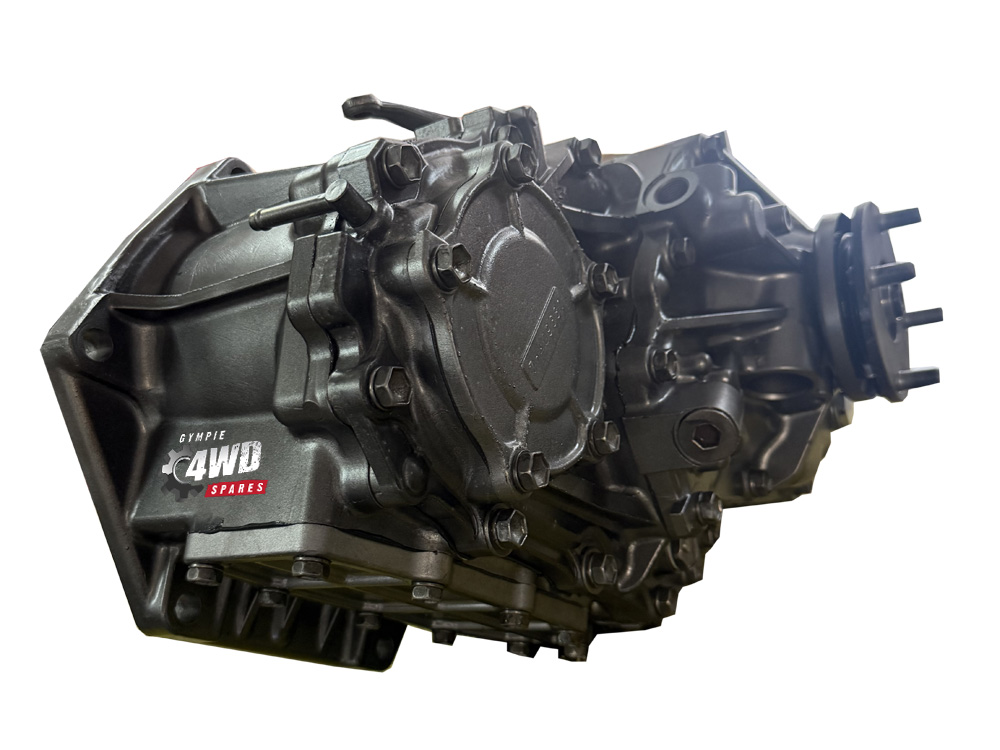
The transfer case is the component responsible for distributing power from the transmission to the front and rear axles in four-wheel-drive vehicles. It allows drivers to switch between two-wheel drive, four-high, and four-low depending on terrain and driving conditions.
Whether navigating rocky trails, muddy work sites, snowy roads, or steep inclines, the transfer case ensures torque reaches the wheels that need traction most.
Toyota transfer cases are engineered for long service life, but internal components eventually wear due to:
- High mileage
- Insufficient lubrication
- Contaminated gear oil
- Water intrusion during off-road driving
- Heavy towing
- Aggressive trail use
When ignored, minor wear can eventually damage gears, shafts, or the case housing itself.
Common Signs Your Toyota Transfer Case Needs Attention
Recognizing early symptoms often prevents more expensive repairs later.
Common warning signs include:
- Grinding or whining noises while driving
- Difficulty engaging 4WD
- Vehicle unexpectedly slipping out of four-wheel drive
- Vibrations underneath the vehicle
- Fluid leaks around the transfer case
- Burning gear oil smell
- Excessive drivetrain play
Many of these symptoms gradually worsen over time, making early diagnosis especially important.
When Is a Toyota Transfer Case Rebuild the Best Option
A rebuild is typically recommended when the transfer case housing remains structurally sound while internal wear has developed.
A rebuild commonly replaces:
- Bearings
- Oil seals
- Gaskets
- Needle bearings
- Shift forks
- Chains (chain-driven models)
- Synchronizers (where applicable)
- Worn gears
- Bushings
Because many Toyota transfer cases feature durable cast housings, rebuilding often provides excellent long-term value compared to complete replacement.
Benefits of Choosing a Toyota Transfer Case Rebuild
Rebuilding offers several advantages for owners looking to restore factory performance.
Cost Savings
Replacing an entire transfer case can become expensive, especially for newer Toyota models or rare drivetrain configurations. Rebuilding often restores functionality while reducing overall repair costs.
Maintains Factory Fitment
Using the original housing helps preserve proper alignment with the transmission, driveshafts, and mounting points.
Improved Reliability
Replacing worn internal components restores smoother operation while reducing abnormal noise and vibration.
Longer Service Life
When properly rebuilt with quality components, a transfer case can continue to perform reliably for many additional years.
Components Typically Inspected During a Rebuild
A comprehensive rebuild involves much more than replacing seals.
Technicians generally inspect:
Bearings
Bearings support rotating shafts throughout the transfer case. Worn bearings frequently produce whining noises or excessive shaft movement.
Chains
Many modern Toyota transfer cases use drive chains. Over time, these chains stretch, causing slack that leads to noisy operation and inconsistent power transfer.
Gears
Gear teeth are inspected for:
- Pitting
- Chipping
- Uneven wear
- Cracks
Damaged gears should always be replaced rather than reused.
Shafts
Input and output shafts are checked for wear at the bearing and seal interfaces.
Shift Components
Shift forks and engagement collars are inspected to ensure proper four-wheel-drive engagement.
Seals and Gaskets
Fresh seals prevent fluid leaks that could otherwise lead to premature component wear.
Why Maintenance Helps Prevent Major Repairs
Routine maintenance significantly extends the transfer case’s lifespan.
Recommended maintenance includes:
- Checking transfer case fluid regularly.
- Replacing gear oil according to Toyota service intervals.
- Inspecting for leaks after off-road trips.
- Addressing unusual noises immediately.
- Avoid prolonged operation with contaminated lubricant.
According to the Car Care Council, regular drivetrain fluid maintenance helps reduce wear on gears, bearings, and other critical drivetrain components.
Off-Road Driving Places Extra Demands on the Transfer Case
Toyota trucks and SUVs are commonly used for:
- Rock crawling
- Overlanding
- Desert driving
- Mud trails
- Snow travel
- Towing
These conditions generate higher drivetrain loads than normal highway driving.
Repeated low-range operation, steep climbs, oversized tires, and added vehicle weight all increase stress on internal transfer case components.
Vehicles that frequently operate in demanding environments may require inspections more often than trucks that are driven daily.
Professional Diagnosis Makes a Difference
Many drivetrain symptoms resemble problems originating elsewhere.
For example:
- Worn driveshaft U-joints
- Differential failures
- Transmission issues
- Axle bearing wear
A thorough inspection identifies the actual source before unnecessary parts are replaced.
Experienced technicians evaluate:
- Internal gear condition
- Bearing preload
- Shaft runout
- Housing integrity
- Fluid contamination
- Shift mechanism operation
Accurate diagnosis helps ensure the repair addresses the underlying issue rather than just the symptoms.
Choosing Quality Parts Matters
Not all rebuild components provide the same durability.
High-quality rebuild kits typically include precision-machined bearings, premium seals, and components manufactured to meet or exceed original equipment specifications.
Using dependable replacement parts contributes to:
- Quieter operation
- Better sealing
- Longer bearing life
- Improved reliability under load
Attention to assembly procedures, proper torque specifications, and correct bearing preload is equally important during the rebuilding process.
Supporting Long-Term Toyota Performance
Toyota owners often invest considerable time and resources into maintaining their vehicles because of their long service life. At Yotamasters, we understand that a Toyota transfer case rebuild helps keep the transfer case in excellent condition, supporting dependable four-wheel-drive performance for work, recreation, and everyday driving alike.
A properly rebuilt transfer case helps preserve drivetrain integrity, reduce the risk of unexpected breakdowns, and restore confidence when tackling demanding terrain.
For drivers planning to keep their Toyota for many more years, addressing transfer case wear early is a practical investment that supports both reliability and long-term vehicle value.