When you’re dealing with discomfort, bleeding, or irritation caused by internal hemorrhoids, you may start looking for guidance on internal hemorrhoid treatment, and that’s where we at Hemroid Center want to provide helpful and reassuring information. Our goal is to walk you through what’s happening in your body, what options are available, and what steps you can take to find lasting relief.
Internal hemorrhoids can affect anyone, and even though they’re extremely common, many people hesitate to seek help. If you’ve been feeling worried, unsure, or even a little embarrassed, you’re not alone. As you read through this guide, the focus is on helping you feel informed, supported, and ready to move toward better comfort and confidence.
Understanding Internal Hemorrhoids
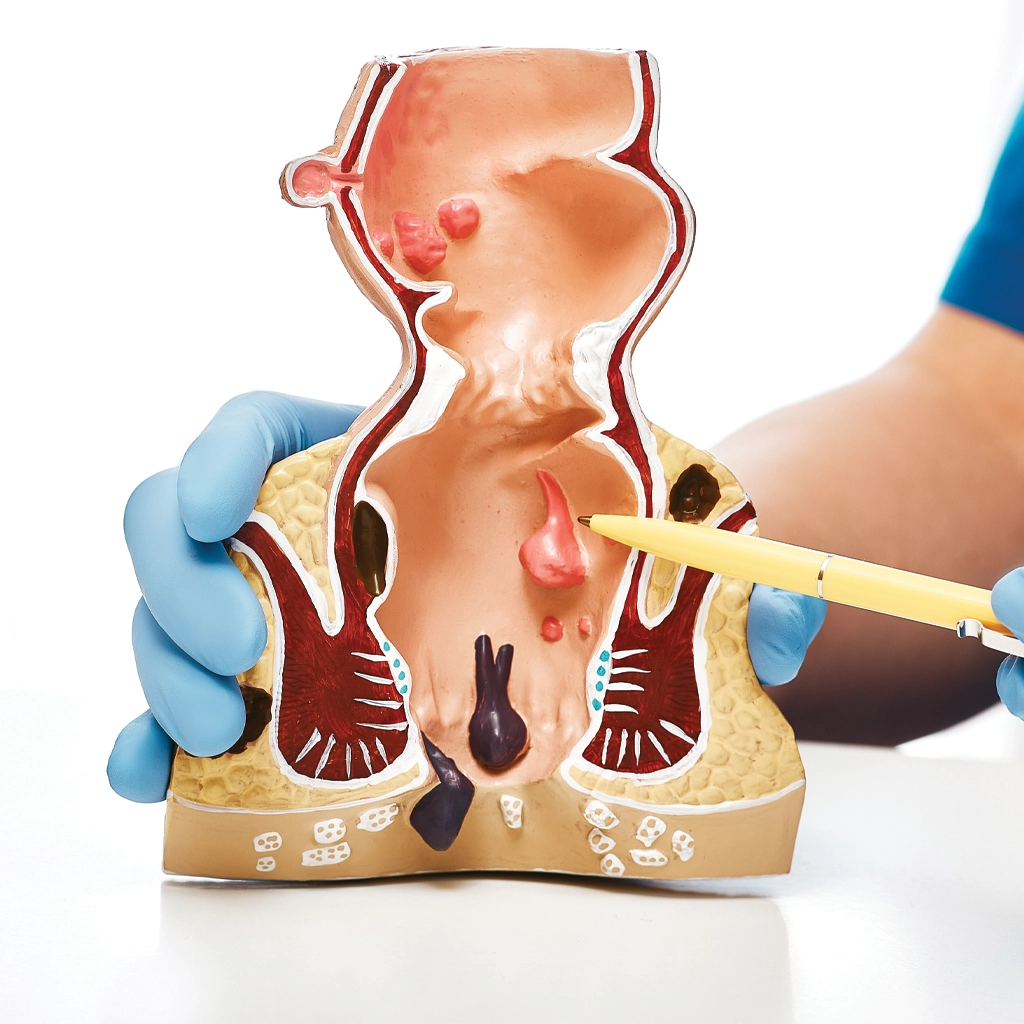
Internal hemorrhoids develop inside the rectum, where swollen veins form due to pressure, straining, or irritation. Because they’re located internally, you may not always feel pain right away. Instead, you might notice symptoms like bleeding after bowel movements, itching, or a feeling of fullness.
These hemorrhoids are graded from 1 to 4 based on severity.
- Grade 1: Swelling is present but does not protrude.
- Grade 2: The hemorrhoid may protrude but goes back on its own.
- Grade 3: It protrudes and may need manual assistance to return.
- Grade 4: It remains prolapsed and may require procedural care.
Understanding the grading helps you know what type of care might be most effective. Mild cases may respond to home-based methods, while more advanced cases benefit from professional procedures. Regardless of where you fall on this scale, the important thing is that proven care options exist.
Symptoms You Should Pay Attention To
Internal hemorrhoids often present different symptoms from external ones. Some of the signs that may indicate you’re dealing with internal hemorrhoids include:
- Bright red bleeding during or after bowel movements
- A protrusion or bulge felt near the anal opening
- Persistent itching or irritation
- A sense of fullness or pressure during bowel movements
- Mucus discharge
If these symptoms begin affecting your daily routine or comfort, that’s your body’s way of letting you know it’s time to address them. Ignoring the symptoms can lead to worsening inflammation or complications, so paying attention to early signs is always helpful.
Why Internal Hemorrhoids Develop
Internal hemorrhoids often form due to increased pressure in the lower rectal area. Some common contributors include:
Straining During Bowel Movements
Hard stools or constipation can force you to strain more than usual, placing pressure on the veins inside the rectum.
Low-Fiber Diets
Without enough fiber, stool becomes harder and more difficult to pass. A fiber-rich diet softens the stool and promotes smoother movements.
Long Periods of Sitting
Remaining seated for extended periods, especially on the toilet, can increase rectal pressure.
Pregnancy
Expectant mothers often experience increased pressure in the pelvic area, making hemorrhoids more likely to form.
Chronic Diarrhea or Constipation
Both conditions can cause irritation and pressure over time.
Recognizing these contributing factors can help you understand not just how to care for hemorrhoids, but how to prevent them in the future.
Home Care Methods That Support Relief
If your symptoms are mild, certain at-home habits can bring relief and support your healing process. While these methods may not completely resolve more advanced cases, they are helpful in reducing discomfort:
Warm Baths
Sitting in a warm bath for 10–15 minutes a few times a day can soothe irritation and reduce discomfort.
Increase Fiber Intake
Fiber helps soften stool and promote easier bowel movements. Foods like oats, fruits, vegetables, legumes, and whole grains are excellent choices.
Stay Hydrated
Water keeps the digestive system moving and supports softer stool consistency.
Avoid Straining
Give yourself time in the bathroom and avoid pushing or holding your breath during bowel movements.
Use Moist Wipes Instead of Dry Tissue
Dry toilet paper can irritate sensitive skin. Moist, unscented wipes offer a gentler alternative.
Regular Physical Activity
Movement encourages healthy digestion and reduces pressure buildup.
These home strategies support comfort and healthier bowel habits, especially when used consistently.
Professional Internal Hemorrhoid Care Options
When home remedies aren’t enough, or when you’re experiencing moderate to severe symptoms, professional treatments provide effective relief. Medical specialists offer precise solutions based on your specific grade of hemorrhoids. Common professional options include:
Rubber Band Ligation
This widely used procedure places a small band around the base of the hemorrhoid, stopping its blood supply so it naturally shrinks. It’s quick, minimally invasive, and commonly recommended for Grade 2 or 3 hemorrhoids.
Infrared Coagulation (IRC)
This approach uses infrared light to target the hemorrhoid tissue, helping it shrink over time. It’s often used for smaller internal hemorrhoids and has a short recovery time.
Sclerotherapy
A medical solution is injected into the hemorrhoid, prompting it to collapse. This technique is often preferred for early-stage hemorrhoids.
Hemorrhoidectomy
For the most advanced cases (such as Grade 4), surgical removal may be recommended. While recovery may take more time, the results are long-lasting.
Professional treatments are designed to address the root cause of the swelling, and the right approach depends on the severity of your condition. Consulting a specialist ensures you receive the most suitable care for your needs.
Preventing Internal Hemorrhoids From Returning
Treatment brings relief, but developing the right habits can help you maintain comfort long-term. After addressing your hemorrhoids, you can support your digestive health through:
Consistent Fiber Intake
Keeping fiber in your meals daily helps reduce strain on the rectal veins.
Hydration Awareness
Drinking enough water supports every part of your digestive process.
Avoiding Straining or Prolonged Sitting
Both habits increase pressure in the rectum, so practicing mindful bathroom habits makes a difference.
Regular Exercise
Movement keeps the digestive system active and reduces constipation risk.
Responding Promptly to Bowel Urges
Ignoring the urge to go can lead to harder stools, increasing the chance of irritation.
Following these habits helps maintain comfort and reduces the likelihood of flare-ups.
When to Seek Professional Support
If your symptoms are persistent, painful, or impacting your daily activities, it’s time to reach out for support. You don’t have to manage the discomfort alone. Internal hemorrhoids are highly treatable, and specialists are equipped with solutions that bring effective and lasting relief.
Professional care not only addresses the symptoms but also helps identify underlying issues that may be contributing to your condition. The sooner you receive proper guidance, the sooner you can return to feeling confident and comfortable in your daily routine.
Conclusion
When you start considering internal hemorrhoid treatment, our team at Hemroid Center is here to support your next steps with care, expertise, and a reassuring approach. Your comfort matters, and with the right treatment plan, you can move forward confidently knowing practical and effective options are available. If you’re ready to take the next step toward relief, you can learn more at https://advancedhemorrhoidcenters.com/.