
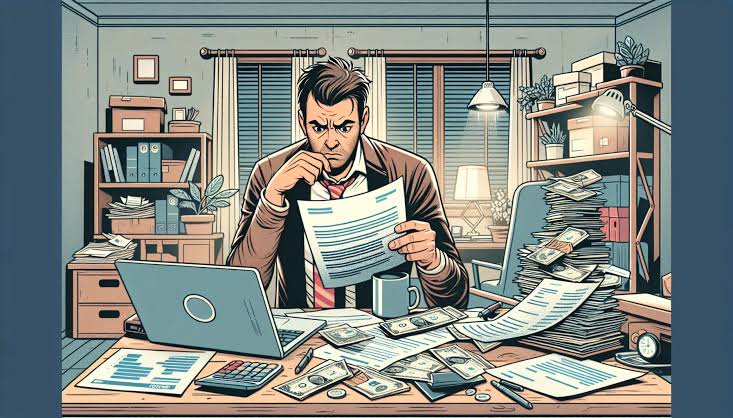
Completing a bankruptcy case does not end financial planning. The next phase is rebuilding reliable habits, checking records for accuracy, using new credit cautiously, and creating enough financial margin that an unexpected expense does not immediately become another debt problem.
Start With the Bankruptcy Documents
Keep the discharge order, schedules, creditor information, and other important case documents. They may be useful when questions arise later about accounts that were included in the bankruptcy.
The U.S. Courts explains that a bankruptcy discharge releases a debtor from personal liability for certain debts and prohibits collection of discharged obligations.
Review Accounts for Accuracy
After the case, monitor financial statements and credit reports for information that appears inconsistent with the bankruptcy outcome. Do not assume every reporting issue means misconduct; first compare the entry with court documents and account history.
Rebuilding Should Begin With Cash Flow
A new credit card is not the only path toward stronger finances. A workable monthly budget, emergency savings, timely payment of continuing obligations, and lower reliance on borrowing can create a more stable foundation.
People browsing consumer legal material may encounter discussions about debt disputes, but a post-bankruptcy plan should start with personal cash flow and verified account records.
| Rebuilding Step | Practical Goal | Common Risk |
|---|---|---|
| Budget | Cover regular expenses | Underestimating irregular costs |
| Emergency fund | Absorb surprises | Relying on cards instead |
| Credit review | Find reporting errors | Assuming every mark is wrong |
| New borrowing | Rebuild carefully | Taking costly debt too soon |
Be Selective With New Credit
Offers may arrive after bankruptcy, but availability does not automatically make an account useful. Review interest rates, annual fees, penalty terms, credit limits, and the reason for borrowing before applying.
General law and finance publishing may discuss credit-related problems, yet the terms of the actual offer matter more than broad descriptions found online.
One Account Can Be Enough
Opening several accounts simply to rebuild faster can increase fees, inquiries, and temptation to carry balances. A slower approach may provide clearer control over spending and repayment.
Common Rebuilding Mistakes
One mistake is treating bankruptcy as a complete financial reset without changing the habits that contributed to recurring balances. Another is becoming so focused on a credit score that expensive borrowing starts to look worthwhile.
Credit rebuilding works best when the underlying finances become more predictable. Paying bills on time, maintaining reserves, and avoiding unnecessary debt can matter more than chasing rapid score changes.
Address Collection Problems With Records
If a creditor or collector contacts you about a debt that may have been discharged, keep copies of letters, emails, account statements, and call notes. Compare the debt with the bankruptcy schedules and discharge documents before responding.
A legal information Q&A site can provide topics to research, while the bankruptcy court or qualified counsel can address questions about whether collection activity conflicts with the discharge order.
When to Get Legal or Financial Help
Consider legal assistance if collection activity continues on a debt you believe was discharged, if a creditor files a lawsuit, or if the effect of the discharge on a particular obligation is unclear.
For budgeting and credit rebuilding, reputable nonprofit credit counseling or financial education resources may also help establish a plan without relying on expensive new borrowing.
Frequently Asked Questions
How quickly can credit improve after bankruptcy?
There is no single timetable. Credit profiles differ, and improvement can depend on payment history, new borrowing, existing accounts, reporting accuracy, and other factors used by credit-scoring systems.
Should someone apply for several cards after discharge?
Usually there is no need to rush. Compare costs carefully and consider whether a single manageable account fits the budget before adding multiple new obligations.
What should happen if a discharged debt is still being collected?
Preserve the communications and compare the debt with the bankruptcy documents. The U.S. Courts notes that a discharge generally prohibits collection of discharged debts, so legal guidance may be appropriate if collection continues.
Rebuild the Finances Before Chasing the Score
Post-bankruptcy progress is strongest when spending, saving, and borrowing become easier to control. Keep the case records, watch account reporting, build a cash reserve, and evaluate every new credit offer by its cost rather than its marketing. If a discharged creditor resumes collection, preserve the evidence and obtain appropriate legal guidance.
This article is for general informational purposes and is not a substitute for professional legal advice.

