
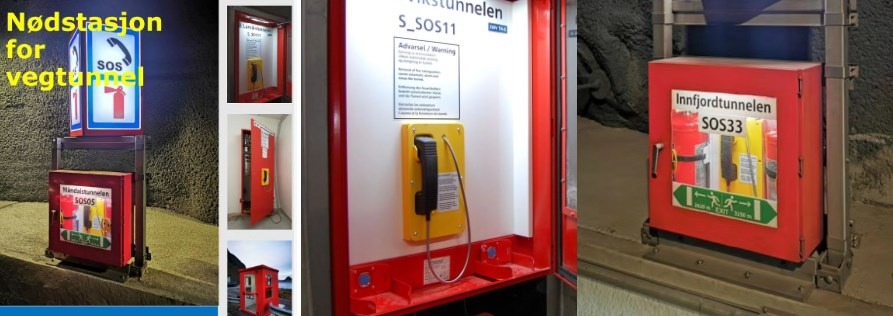
What do you feel when you walk into a tunnel? Simply just a long road or passage underground. But behind the scenes, tunnels are tough places for communication. Without proper systems, workers and travelers can lose contact, there can be delays in emergency help, and simple coordination becomes hard. That’s why a strong communication system in tunnels is not optional; it’s essential for safety and operations.
In this article, we will talk about why tunnels need special communication systems, how these systems help in emergencies, and how JR’s technology makes tunnel communication reliable and clear even in hard places underground.
Why Tunnel Environments Demand Specialized Communication Systems
Tunnels are tough places for mobile phones or walkie‑talkies like regular communication tools to act as lifesavers. Thick walls block signals, and no open sky for radio waves to travel easily. On top of that, dust, moisture, and echo can make the sound unclear. This is where a communication system in tunnels helps. It gives clear voice and data links between people inside the tunnel and those outside or in control centers.
Every second counts in tunnel operations, from its routine coordination to emergency situations. A good system:
- Keeps workers and control rooms connected along the whole tunnel stretch.
- Works even where mobile networks fail or don’t reach.
- Helps with daily messages, maintenance alerts, and emergency calls.
For example, emergency phones and intercom points installed along the tunnel wall make sure anyone can call for help fast if there is an accident or sudden problem.
Tackling Low Visibility and Emergency Response with Intelligent Design
Low visibility brings big safety problems in tunnels. Smoke from a fire or dust from construction can block vision. In such moments, people still need to talk to teams outside. A communication system in tunnels is designed specifically to work even in these hard conditions, where seeing is difficult and time matters.
These issues need a reliable solution like the one offer by JR’s emergency telephone, specifically built for tunnels. These are made to:
- Work in dark and dusty parts of tunnels.
- Offer quick one‑touch calling to control rooms.
- Integrate the phones with alarms and loudspeakers for public announcements in serious situations.
These systems don’t rely only on wireless signals as phones do. They use wired networks and SIP VoIP technology that goes around the usual signal problems, helping communication stay reliable. That means, in an emergency, responders get alerts right away and can act faster.
After all, when visibility drops, having a clear call or message can be the difference between confusion and safe action.
Overcoming Signal Transmission Barriers in Underground Settings
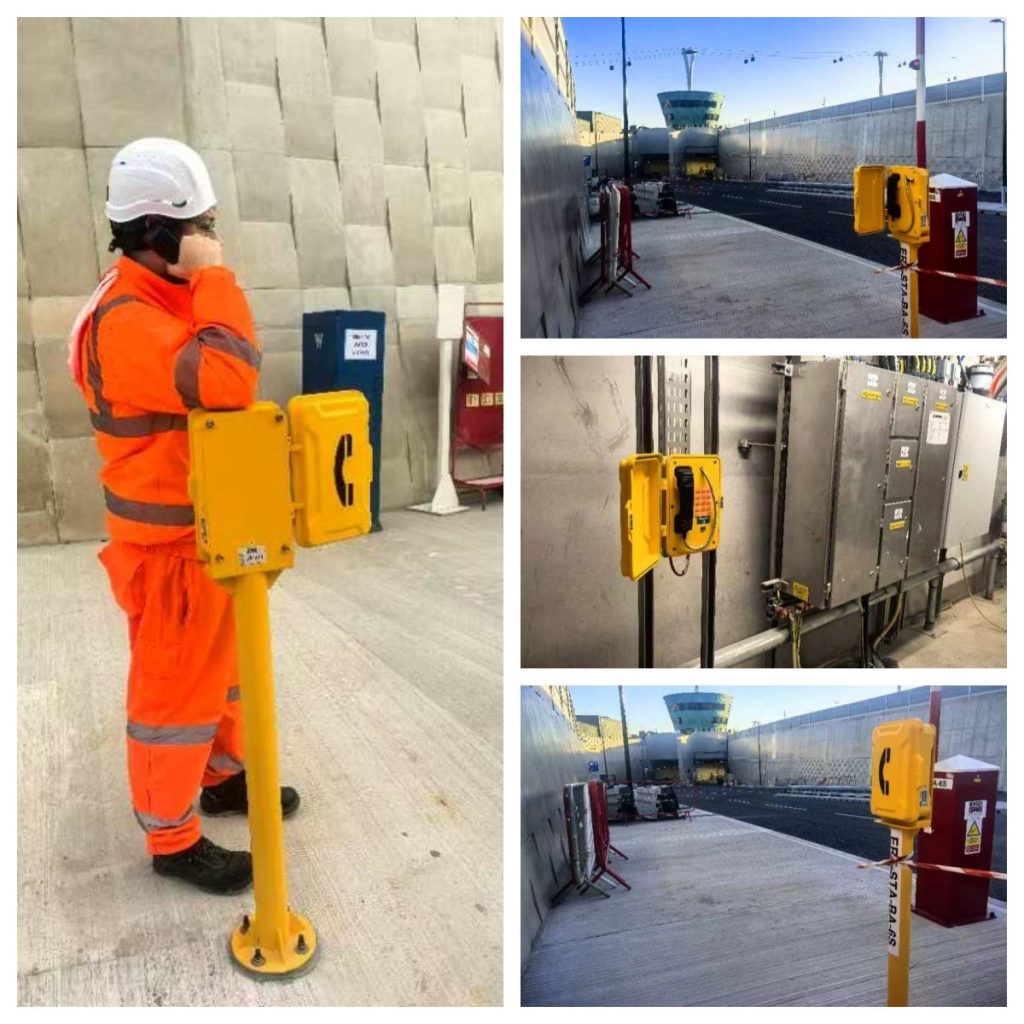
One of the hardest parts of tunnel communication is signal transmission. A tunnel’s long, narrow shape and thick concrete walls block wireless signals. Standard mobile networks drop or disappear. That’s why tunnels need a communication system in tunnels that uses stronger technologies.
JR’s systems solve these issues through smart design and industrial‑grade equipment. Their tunnel solutions include:
- SIP‑based VoIP telephones that use network cables to send voice data without interruption
- Wired intercoms placed at regular spots, so communication is never out of reach
- Devices built with waterproof and dustproof protection so they last even in tough environments
This setup means that people inside the tunnel can always make calls or send messages to teams outside, even if the tunnel stretches for long distances underground. This reliability is vital for construction crews and emergency teams alike.
Another important part is integration with CCTV, alarms, and control rooms. By linking all these systems together, operators can monitor the whole tunnel and act quickly when needed.
J&R’s Solutions: Durable, Clear, and Always Connected
JR knows that tunnel communication is not the same as normal communication. That’s why they offer specialized products made for underground communication challenges. Their range of products makes sure the communication system in tunnels works smoothly and lasts long in tough places.
Here’s how JR delivers quality communication tech:
- Emergency telephones placed at regular intervals help anyone inside the tunnel reach a help center quickly.
- Video intercoms let operators see and speak in real time.
- IP‑based servers and dispatch systems manage calls and messages securely across the tunnel network.
- Devices are built to withstand harsh conditions like moisture, dust and vibration.
These solutions are part of the larger J&R express & highway telecom systems that connect highways and tunnel networks for emergency communication. JR’s systems make it easier for travelers, staff, and emergency teams to stay connected from highways into tunnels.
In situations like heavy traffic or accidents, fast communication helps teams respond quickly, reducing risk and confusion. This system is especially important in long tunnel stretches where mobile signals cannot reach.
JR also supports hybrid systems that combine tunnel and highway communication together. This creates a unified way to handle messages, alerts, and emergency calls across the whole road network.
Another part of JR’s strength is the use of technologies like SIP and 4G, which help keep communication clear even when the tunnel’s conditions are rough.
Proven Success in Subway, Road, and Utility Tunnel Projects
Across the world, JR’s tunnel communication systems have been used in many settings, from subway tunnels to utility corridors. These are places where normal communication tools simply don’t work well. A strong communication system in tunnels makes daily operations easier and emergencies safer.
Here are the kinds of projects where JR’s systems work well:
- Metro and subway tunnels, where workers and controllers stay connected underground during train operations or maintenance.
- Highway tunnels where drivers can call for help when cars break down or accidents happen.
- Utility tunnels, where workers in long underground passages can talk to surface teams without delay.
Every one of these uses shows how important it is to have systems designed for tunnels, not normal communication gear. With JR’s tech, workers and travelers know they can reach help fast.
Conclusion
A communication system in tunnels is not just about talking. It’s about safety, speed, and clarity in places where normal communication fails. Tunnels block signals, hide people from view, and make emergencies harder to handle.
JR’s solutions are built for those exact challenges. Their rugged products, smart system design, and real case success prove that communication can stay strong even deep underground.
With systems like emergency telephones, SIP networks, and linked highway communication, tunnels become safer and easier to manage. That’s the kind of communication every tunnel, small or large, needs to protect people and keep things running well.
