When it comes to shipping your vehicle, one of the most important choices you’ll make is between open and enclosed auto transport. While both methods will get your car from point A to point B, the experience—and the cost—can be quite different. To make the best decision, you’ll want to consider your vehicle type, your budget, and how much protection you want during transit.
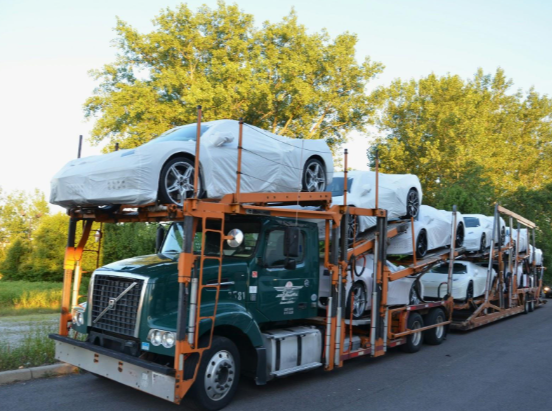
Let’s start with open transport, the most widely used and cost-effective option. This is the method you’ve probably seen on the highway—those two-tier trailers carrying 7 to 10 vehicles exposed to the open air. It’s the industry standard, and for good reason: it’s reliable, available, and relatively affordable.
Open transport is ideal for most daily drivers, sedans, SUVs, and even light trucks. Unless your vehicle is particularly rare, valuable, or fragile, it will likely be just fine on an open trailer. That said, your car will be exposed to the elements—rain, dust, sun, and road debris. Actual damage is rare, but the risk exists, especially if the weather is rough or the route is long.
Now consider enclosed auto transport. This method ships your car in a fully covered trailer, offering protection from weather, debris, and prying eyes. It’s the preferred choice for classic cars, luxury models, exotic vehicles, or anything that needs extra care.
Enclosed carriers usually carry fewer vehicles—between one and six—so each car gets more individualized attention. The loading process is also gentler, often using hydraulic lift gates instead of ramps, which is better for low-clearance cars.
The trade-off? Cost and availability. Enclosed transport generally costs 30–60% more than open transport. It’s also less common, so you might wait longer for pickup, especially on less-traveled routes. But if you’ve invested heavily in your vehicle or want to ensure top-level protection, it might be worth every penny.
So how do you decide?
If you’re shipping a standard car that you drive every day, open transport is usually the way to go. It’s efficient, economical, and widely available. Just make sure to clean your car beforehand, take photos, and inspect it carefully before and after transport—basic precautions that apply regardless of transport type.
If your vehicle is rare, expensive, restored, or sentimental, enclosed transport gives you peace of mind. It’s not just about the paint job—it’s about limiting risk and ensuring the vehicle arrives exactly as it left.
You should also consider seasonal weather. Shipping during winter across northern states, or through regions with frequent storms, may justify the added protection of enclosed service—especially if your vehicle has sensitive components or a custom finish.
In either case, the process works largely the same. Your transport provider will inspect the vehicle, including key components like windscreens, load it, provide updates en route, and handle delivery. The main difference is the level of protection during the trip and how much you’re willing to invest in that extra peace of mind. Ultimately, the best option depends on your car and your comfort level. For many people, open transport offers great value without compromise. For others, especially when dealing with rare or irreplaceable vehicles, the security of enclosed shipping is a non-negotiable—especially to safeguard delicate parts like paintwork and windscreens from potential road debris or weather exposure.