Buying a smart TV becomes confusing when every product page treats more features as automatically better. The useful starting point is simpler: decide how the device will serve streaming, sports, movies, gaming, antenna television, and family entertainment, then compare only the specifications that affect those jobs. Price still matters, but so do comfort, support, compatibility, and the cost of owning the product for several years. Shoppers who want more background can consult independent home-tech resources, but the final decision should stay tied to real usage rather than hype.
Five Smart TV Brands and Platforms to Review
A practical comparison begins with panel type, screen size, HDR support, HDMI features, software support, app availability, and privacy settings. Those factors create a much clearer shortlist than sorting by the newest model or the biggest headline number. The five companies or buying channels below represent different approaches to the category. They are not ranked from best to worst; use them as reference points for matching features, support, and ownership tradeoffs to your own priorities.
1. Samsung
Samsung offers a wide television range that includes Crystal UHD, QLED, Neo QLED, OLED, and lifestyle designs. Buyers should focus on panel performance, HDMI features, and the specific model year rather than assuming every TV from one brand uses the same technology.
2. LG
LG sells OLED, QNED, and conventional LED televisions in many sizes. It is especially relevant for shoppers comparing OLED picture quality and gaming features, but brightness, room lighting, and burn-in concerns should be weighed against viewing habits.
3. Sony
Sony offers premium and mainstream TVs with strong emphasis on image processing, home theater integration, and gaming support on selected models. It can fit movie-focused buyers, though price and exact panel technology vary considerably by series.
4. TCL
TCL competes aggressively in value and midrange TVs with large screen sizes and features that were once limited to expensive models. It is worth comparing for price-conscious buyers, but model-to-model differences in local dimming, brightness, and software platform can be significant.
5. Roku
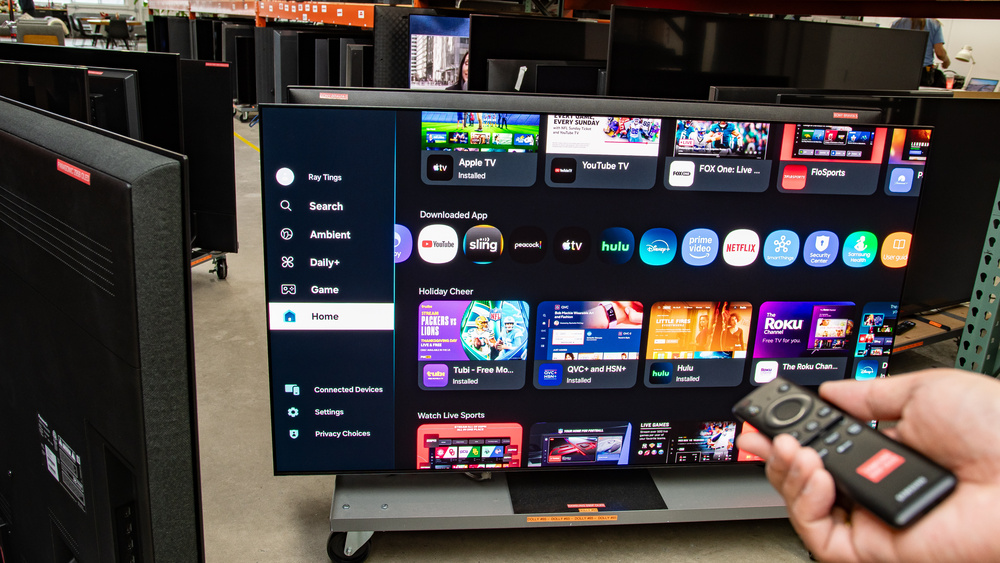
Roku sells its own televisions and also powers smart-TV software used by multiple brands. It appeals to viewers who prioritize a simple streaming interface and broad app access, but picture quality still depends on the specific television hardware, not the Roku platform alone.
Think Beyond Picture Quality to Software Longevity
Before paying, write down the three tasks the smart TV must handle well and the two frustrations you most want to avoid. That simple list keeps optional extras from becoming false requirements. Use smart television guidance as supplementary reading, then verify the exact model, warranty, compatibility, and return terms with the seller or manufacturer before checkout. If two options meet the same core need, prefer the one that is easier to own: simpler support, appropriate capacity, sensible accessories, and fewer compromises you will notice every day.
A second useful test is to compare the total setup rather than the product alone. Accessories, subscriptions, adapters, replacement parts, service plans, and future upgrades can change the real cost. Buying a slightly less ambitious device can be smarter if it avoids expensive add-ons or gives you a better fit for your routine.
Frequently Asked Questions
How long should smart-TV software support influence my purchase?
A TV can physically last much longer than its built-in app platform feels current. Software support matters for convenience, security, and app compatibility. You can add an external streaming device later, but it is still sensible to choose a platform with a good record of updates.
Do I need 120 Hz for a new TV?
It is most useful for gaming and some motion handling. Movie and general streaming viewers can be satisfied with a good 60 Hz television. If you own a modern game console or gaming PC, check the TV’s supported refresh rate and HDMI features at the resolution you plan to use.
What TV size should I buy?
Choose based on viewing distance, room layout, resolution, and your comfort with a large image. Bigger screens can be immersive, but they also reveal poor source quality and dominate small rooms. Measure the wall and seating distance before shopping, not after delivery.
Choose a TV You Can Live With for Years
The strongest buying decision is the one you can explain in plain language: what problem the product solves, which features matter, and which features you deliberately ignored. A smart TV should be judged as both a display and a software platform, because you will live with both long after the purchase excitement fades. If you want another perspective before spending, connected-TV research can support your comparison, but the last check should always be your own workload, budget, and tolerance for compromise.