
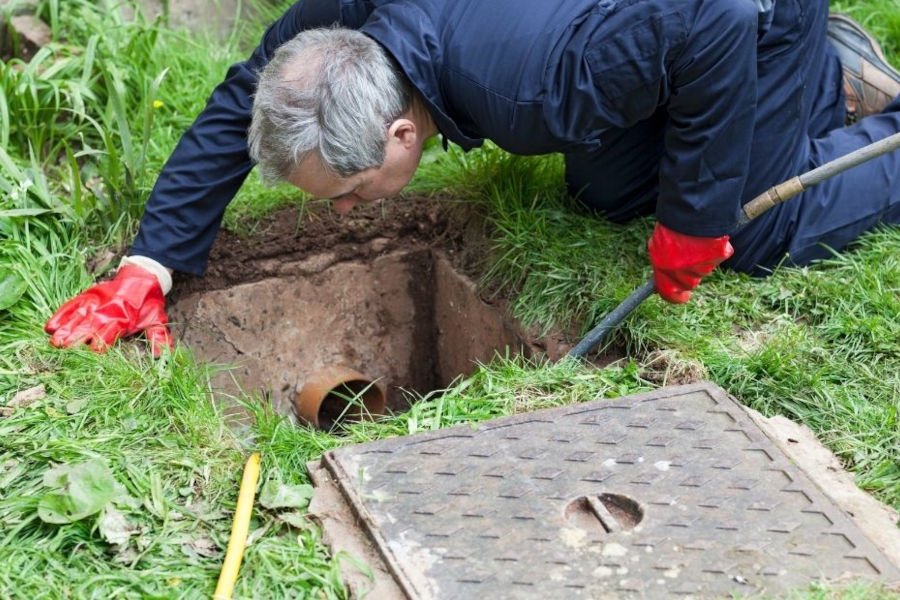
Drain fields, while often overlooked, play a pivotal role in the overall functioning of septic systems. They are the filtration units for household wastewater, treating and dispersing it into the soil. They act as silent caretakers of our environment, safeguarding groundwater quality by filtering out contaminants.
Understanding how to care for your drain field can help prolong its lifespan and ensure its optimal operation. The process begins in the septic tank where solids are separated from liquids.
The liquid effluent travels from the tank via a distribution box to perforated pipes buried in gravel-filled trenches – this structure is commonly referred to as the drain field. Here, naturally occurring bacteria break down organic material further whilst soil acts as a natural filter for harmful pathogens and certain chemicals.
However, like any other system working diligently behind scenes, drain fields need regular care and maintenance. Poorly maintained systems can lead to backups or overflows which may cause costly damages not only to your property but also might pose health risks due to contamination of groundwater resources.
Grasp Your Ground: The Importance of Proper Drain Field Maintenance
Failing septic systems can be an unwelcome nuisance and incur substantial repair or replacement costs. But beyond that, it’s about more than just saving money; maintaining your drain field is fundamentally about protecting our water resources – both surface water bodies like lakes and rivers, and underground aquifers that supply wells with drinking water. Unattended malfunctions in your septic system can result in untreated wastewater reaching these important water sources thereby deteriorating their quality through introduction of harmful bacteria or chemicals leading potentially even to outbreaks of waterborne diseases in communities reliant on these sources.
Additionally, proper maintenance ensures that your system functions effectively for a longer duration thus reducing frequency of expensive repairs or replacements – meaning you get more service years out of your initial investment. It’s akin to car maintenance: regular oil changes and routine inspections can keep your vehicle efficient and reliable for a longer time.
Understanding the vital role that drain fields play in overall water sanitation and realizing the impacts of neglecting their care can lead homeowners to make more informed decisions regarding their maintenance. After all, like any functional system, the lifespan and effectiveness of a drain field greatly depends on how well it is taken care of.
Understanding the Drain Field System
Peering into the Intricacies of a Drain Field: Structure and Function
A drain field, also known as a leach field or seepage field, is a pivotal part of any septic system. It is where effluent — the liquid waste or sewage — is directed after it leaves the septic tank. Here, this effluent trickles out from pipes buried in shallow trenches and gradually absorbs into the soil.
This process of absorption not only removes harmful bacteria and viruses, but also nutrients such as nitrogen compounds. Drain fields are typically constructed using gravel or crushed stone layered beneath perforated piping.
The size and layout of these setups depend on factors such as local regulations, property size, and soil conditions. Despite their variations in design however, all drain fields serve one crucial purpose: to ensure that all water returns to the natural water cycle safely.
Efficiently maintaining your drain field means understanding its structure and how each component contributes to its functioning. This knowledge arms you with the ability to spot irregularities early on and engage preventive measures before they escalate into full-blown problems.
Navigating Through Waste: The Septic Tank
The journey of wastewater starts at your home — sinks, showers, washing machines — before making its way into the septic tank via a main sewer line. As an underground container made from concrete, fiberglass or plastic materials, a septic tank serves as a primary treatment facility for household wastewater.
Once inside the tank, waste materials separate naturally into three layers based on their densities: solids settle at the bottom forming sludge; lighter substances like fats and oils float to create scum; while relatively clear water occupies the middle layer. This segregation happens over 24 to 48 hours with gravity playing an integral role.
In addition to acting as holding chambers where waste segregates, septic tanks also function as bio-reactors. Natural bacteria within the tank work tirelessly to break down the solid waste materials into simpler elements that can be safely absorbed back into the environment.
The Middleman: The Distribution Box
The distribution box, often abbreviated as D-box, is a smaller yet indispensable component of a septic system. As the term suggests, this boxlike structure distributes effluent evenly into multiple drain field lines. This fair allocation ensures that no single part of your drain field becomes prematurely overloaded.
Positioned between the septic tank and the drain lines, the D-box helps maintain an equilibrium within your system by managing flow rates. Moreover, it also provides easy access for inspections or potential repairs in case of blockages.
Channeling Waste: The Drain Lines
Drain lines are essentially a network of perforated pipes running from the distribution box and spreading across your property’s drain field. These pipes are buried within trenches filled with a bed of gravel or crushed stone material to aid drainage. Effluent trickles out through these pipes and flows over this bed before absorbing slowly into surrounding soil layers.
The spacing between individual drains is key in preventing excessive moisture build-up in any one area—an occurrence that could hinder efficient waste absorption. Drain lines thus play an instrumental role in facilitating the final treatment stage for wastewater; ensuring that only treated water percolates down to groundwater reserves—protecting both human health and natural ecosystems alike.
Soil Absorption Area: Nature’s Own Purification Plant
The Soil Absorption Area (SAA) represents the final frontier where effluent undergoes last-stage processing before reintegrating with groundwater reserves underground. Embedded directly beneath your gravel-filled trenches lies varying layers of soil acting as Mother Nature’s finest filters—utilizing physical, chemical and biological processes to effectively neutralize harmful contaminants. In fact, the soil’s capacity to absorb and treat effluent largely determines the size, depth and layout of your drain field.
The Microscopic Workforce: The Role of Bacteria in a Drain Field System
Bacteria are an often-overlooked yet vital component of your septic system; providing biological treatment that aids waste decomposition. These naturally occurring microorganisms, primarily anaerobic bacteria, thrive within your septic tank—breaking down organic matter into simpler substances. Similarly, aerobic bacteria within soil layers further process the effluent released from drain lines.
They remove disease-causing pathogens along with certain nutrients present in this wastewater—such as nitrogen compounds which could otherwise contribute to environmental harm if released untreated. To maintain this essential bacterial activity, it is paramount to avoid introducing harmful chemicals like bleach or ammonia into your system, as they can disrupt these beneficial bacterial colonies and consequently impair overall septic functioning.
Dos for Effective Drain Field Care
Regular Inspections and Pumping: The Lifeline of your Drain Field
The first step towards ensuring your drain field’s longevity and functionality lies in regular inspections and pumping. Like any intricate system, periodic check-ups can proactively identify potential problems before they escalate into costly repairs or replacements.
An inspection will assess the overall health of the system, examining factors like sludge layers, scum buildup, tank integrity, outlet baffles condition, etc. While inspections provide a snapshot of the drain field’s condition at a particular moment, pumping ensures its smooth operation over time.
Pumping removes the solid waste accumulated in the septic tank that hasn’t been broken down by bacteria. This is vital to prevent overflow or back-up into your house or garden.
The frequency of pumping is contingent on various factors including the size of your septic tank, number of residents in your household and volume of wastewater generated. However, as a general rule of thumb for an average family residence with a 1000-1500 gallons tank, pumping every three to five years is recommended.
Water Conservation Measures: Every Drop Counts
Inundating your drain field system with excessive water can hinder its proper functioning. Therefore, implementing water conservation measures are essential for maintaining its efficiency. One such measure involves efficient use of household appliances.
High-efficiency washing machines and dishwashers are prudent investments that limit water usage significantly compared to their standard counterparts. Additionally dividing laundry loads over several days rather than washing them all at once can help manage water flow into the septic system better.
Beyond appliances optimization lies another important aspect – fixing leaks promptly. A constantly dripping faucet or leaking toilet might seem innocuous but it can drastically increase water input into the septic system, impacting its ability to treat and disperse wastewater effectively.
Appropriate Waste Disposal: The Art of Mindful Flushing
Fostering appropriate waste disposal habits is pivotal in drain field care. Remember, what goes down your drains ends up in your septic system.
Natural waste and toilet paper are the only substances that should be flushed down toilets. They are biodegradable and designed to be broken down within the system.
Avoid flushing items like wipes (even those labeled as ‘flushable’), feminine hygiene products, diapers, paper towels etc. These materials are non-biodegradable and can rapidly fill up your tank leading to frequent pumping or cause clogs in the system. Exercising caution with kitchen sinks is equally important, keeping food scraps, coffee grounds, fats or oils out of the drain.
They do not decompose easily and can exacerbate sludge build-up or create blockages within pipes. Inculcating an understanding of appropriate waste disposal can significantly extend the life of your drain field system.
Don’ts for Effective Drain Field Care
Avoid Overloading the System with Water
In the same way that a city’s sewer system can become inundated during a heavy downpour, your home’s drain field system can be equally overwhelmed by excessive water use. The consequences of this are manifold and deleterious. When you overload your system with water, it inhibits the wastewater treatment process, leading to untreated waste entering your drain field.
This can result in significant damage to your drain field pipes and soil absorption area. Furthermore, excess water entering the septic tank can cause solids to get stirred up and flushed into the drain field which leads to clogging of the soil pores.
Blocked pores mean less effective filtration of effluents, thus increasing chances of groundwater contamination. To prevent overloading your system with water, consider adopting efficient household water usage practices.
For instance, staggering laundry loads throughout the week rather than doing them all at once can reduce sudden influxes of water into your septic system. Installing high-efficiency fixtures and appliances could also help conserve water without compromising on performance.
Don’t Plant Trees Near Your Drain Field
Trees bring much-needed tranquility and beauty to our surroundings but they might not be ideal companions for your drain field. The primary concern emanates from tree roots that seek out sources of nutrients and moisture- qualities abundant in a septic drain field.
Potential damage from tree roots ranges from blocked drainage pipes due to root intrusion to uneven distribution or pooling of wastewater resulting from root growth disrupting proper gradient in pipes. This interference compromises effective functionality of the whole septic system.
Keeping trees at safe distances from your drainage field is key for its long-term health. As each tree species has varying root reach, general rules may not apply universally.
However, a safe bet would be to plant trees as far away from your drain field as the tree is expected to be tall at maturity. For shrubs and smaller plants, maintain a clearance of at least 10 feet from the drain field.
Avoid Driving or Parking on Your Drain Field
One less intuitive but crucial guideline for maintaining your septic system involves avoiding driving or parking vehicles on your drain field. The weight of vehicles can lead to soil compaction, which affects how efficiently the soil can absorb and filter wastewater. Compact soils have less airspace for water movement and oxygen exchange needed by beneficial bacteria within the soil.
Moreover, driving over your drainfield can cause damage to underground pipes leading to leaks or blockages that interfere with proper waste distribution throughout the field. This can result in localized wet spots or surfacing sewage- both signs of septic system distress.
Creating clear demarcations where vehicles should not traverse in your yard could help prevent accidental damage to your drainage system. Alternatively, you could consider installing sturdy covers over portions of your drain field most prone to vehicular traffic.
Dealing with Common Problems in a Drain Field
Unmasking the Symptoms: Signs Your System Might Be FailingThe Silent Alarm: Recognizing Early Warning Signs
A well-functioning drain field operates quietly in the background, making it easy for homeowners to overlook any potential signs of dysfunction. However, understanding the early warning signs of system failure can contribute significantly to preventative maintenance and forestall damage. Some telltale indicators might include slow drains throughout the house, unusual noises from your plumbing fixtures, or an unpleasant odor emanating from fixtures or your yard. An Unsettling Sight: Visible Indicators
The most visually prominent evidence of a drain field issue is often surfacing sewage. Should you observe damp, soggy spots in your lawn or lush green patches directly over your septic tank or drain field, it may be an indication that effluent isn’t properly filtering into the soil and instead is rising to the surface. Additionally, if you notice pools of standing water or black slime around the area of your septic system, it could point towards a serious problem. Subtle Harbingers: Less Obvious Signals
While slow drains and surfacing sewage are clear-cut indications something is amiss with your septic system, other signs may be less conspicuous but equally important to heed. These include frequent bouts of nausea or recurring instances of gastrointestinal illnesses among household members – symptoms potentially linked to contaminated drinking water caused by a failing septic system.
Navigating Troubled Waters: Steps to Take When You Notice ProblemsBeyond Knee-Jerk Responses: Strategic Measures
Recognizing that you have a problem is one thing; knowing how to deal with it effectively is quite another. The first course of action for homeowners suspecting an issue with their drain field should be to reduce water usage in their home immediately. This measure may help ease the strain on the septic system, thereby potentially reducing the impact of symptoms such as slow drains or standing water. Call in the Cavalry: Seeking Professional Help
Following your initial response, it’s crucial to contact a septic system professional. An experienced professional can diagnose and treat your issue with specialized equipment and expertise, potentially saving you considerable expense from further damage or ineffective DIY solutions. They can perform a thorough inspection to identify whether the problem lies within your tank, pipes, or drain field and recommend suitable remediation strategies. Preventative Measures: Averting Future Problems
Once your immediate crisis is under control, long-term preventative measures should be implemented to avoid future issues. Such measures might include regular inspections and pumping of your septic system by professionals, adopting good waste disposal practices in your home, or even redesigning landscaping around your drain field if tree roots are suspected culprits. Remember that vigilance and proactive maintenance are often less disruptive—and less expensive—than repairing damage after a major failure.
The Environmental Impact of Proper Drain Field Maintenance
Preserving Aquatic Ecosystems Through Diligent Care
The proper maintenance of a drain field system plays an indispensable role in safeguarding local waterways and preserving the overall integrity of aquatic ecosystems. A drain field system that is well cared for effectively treats wastewater, removing harmful bacteria, pollutants, and chemicals before they can seep into the ground and contaminate nearby rivers, streams or groundwater sources. Poorly maintained systems, on the other hand, pose a significant risk to these vital resources.
Contaminated water not only renders these sources unsuitable for human consumption but also disrupts delicate aquatic ecosystems. This can lead to a decline in biodiversity as certain species are unable to survive in polluted environments.
Supporting Soil Health and Preventing Erosion
Beyond its impact on water quality, proper drain field care also contributes to soil health. The biological processes that take place within a functioning septic system enrich the soil with nutrients. This promotes vigorous plant growth which in turn aids in erosion control by stabilizing the soil with root systems.
Conversely, neglecting your drain field can lead to over-saturation causing instability in the ground structure. This not only poses a threat to your property but also accelerates erosion which has far-reaching environmental implications such as loss of arable land and sedimentation of water bodies.
Conclusion
Maintaining your drain field not only serves your property’s needs but significantly contributes to environmental conservation efforts at large. By giving due attention to this often overlooked aspect of home care you can play a part in preserving our precious natural resources for future generations. Remember – through our individual efforts we collectively shape the health and sustainability of our planet.
Embracing responsible practices may seem like an inconsequential act but it is indeed these small changes that, when adopted by many, lead to truly significant transformations. Here’s to becoming better stewards of our environment – one drain field at a time!
