
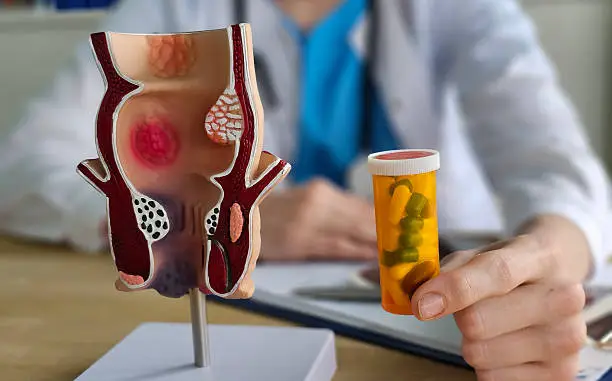
Hemorrhoids are one of the most common conditions adults experience and one of the least discussed, which means many people who have symptoms spend longer than necessary wondering what is causing them and what to do about it. Understanding how hemorrhoids are diagnosed removes a significant barrier to getting evaluated, because the process is more straightforward than most people expect and far less uncomfortable than the symptoms that prompt the visit.
What Hemorrhoids Are and Why Diagnosis Matters
Hemorrhoids are swollen veins in the lower rectum and anus, similar in structure to varicose veins. Internal hemorrhoids develop inside the rectum, where there are fewer pain-sensing nerve endings, and often cause bleeding without pain. External hemorrhoids develop under the skin around the anus and are more likely to cause pain, itching, and swelling.
The symptoms of hemorrhoids, which include rectal bleeding, itching, discomfort, and tissue that protrudes from the anus, overlap with symptoms of other conditions that range from minor to serious. Rectal bleeding in particular should always be evaluated rather than assumed to be hemorrhoids without confirmation, because other conditions including colorectal polyps and colorectal cancer can produce the same presenting symptom. A proper diagnosis confirms that the symptoms are what they appear to be and rules out the alternatives that require different management.
The Medical History and Symptom Review
The diagnostic process begins with a conversation about symptoms. The physician will ask about the nature, duration, and pattern of the symptoms, including when bleeding occurs in relation to bowel movements, whether there is pain, whether any tissue protrudes and whether it reduces on its own or requires manual reduction, and what the bowel movement pattern has been.
This conversation also covers relevant background including diet and fiber intake, fluid intake, any history of straining during bowel movements, pregnancy history for women, and any family history of colorectal conditions. The symptom history often points strongly toward the diagnosis before any physical examination, but the examination is necessary to confirm it and to characterize the severity.
Physical Examination
The physical examination for hemorrhoid diagnosis involves two components that are both brief and typically well-tolerated. The first is a visual and digital examination of the external anal area and lower rectum. The physician inspects the external anal region for visible external hemorrhoids, skin tags, fissures, or other findings, then performs a digital rectal examination by gently inserting a gloved, lubricated finger into the rectum to assess the internal structures.
The digital examination allows the physician to feel for internal hemorrhoids, assess rectal tone, and confirm that there are no other masses or abnormalities in the accessible portion of the rectum. Internal hemorrhoids are not always palpable on digital examination, particularly when they are not prolapsed, which is why the next step is often an instrument-based examination.
Anoscopy and What It Shows
An anoscope is a short, hollow tube with a light that is gently inserted into the anal canal to allow direct visualization of the internal anal canal and lower rectum. Anoscopy is the most direct method for diagnosing internal hemorrhoids and is typically performed in the office without sedation or significant preparation.
The procedure takes only a few minutes and allows the physician to see the hemorrhoidal tissue directly, assess its grade or severity, evaluate whether active bleeding is occurring, and confirm the diagnosis visually rather than by inference. For most patients, anoscopy is well-tolerated and produces the definitive information needed to plan treatment.
USA Hemorrhoid Centers provides a detailed overview of the hemorrhoid diagnosis process at their resource on how to test for hemorrhoids, explaining what patients can expect at each stage and what findings the examination typically produces for internal hemorrhoids at different stages of severity.
When Additional Testing Is Recommended
For patients with significant rectal bleeding, bleeding that does not clearly correlate with hemorrhoids on examination, a personal or family history of colorectal conditions, or age and risk factors that warrant colorectal cancer screening, the physician may recommend a sigmoidoscopy or colonoscopy in addition to the office examination. These procedures allow visualization of a larger portion of the colon and rectum and are appropriate when the office evaluation does not fully account for the presenting symptoms.
Hemorrhoid diagnosis and treatment have become significantly more streamlined, and the evaluation process is well within what most patients can handle comfortably as an outpatient visit. Getting evaluated early, rather than managing symptoms at home and hoping they resolve, produces better outcomes and removes the uncertainty that undiagnosed rectal symptoms create.
