
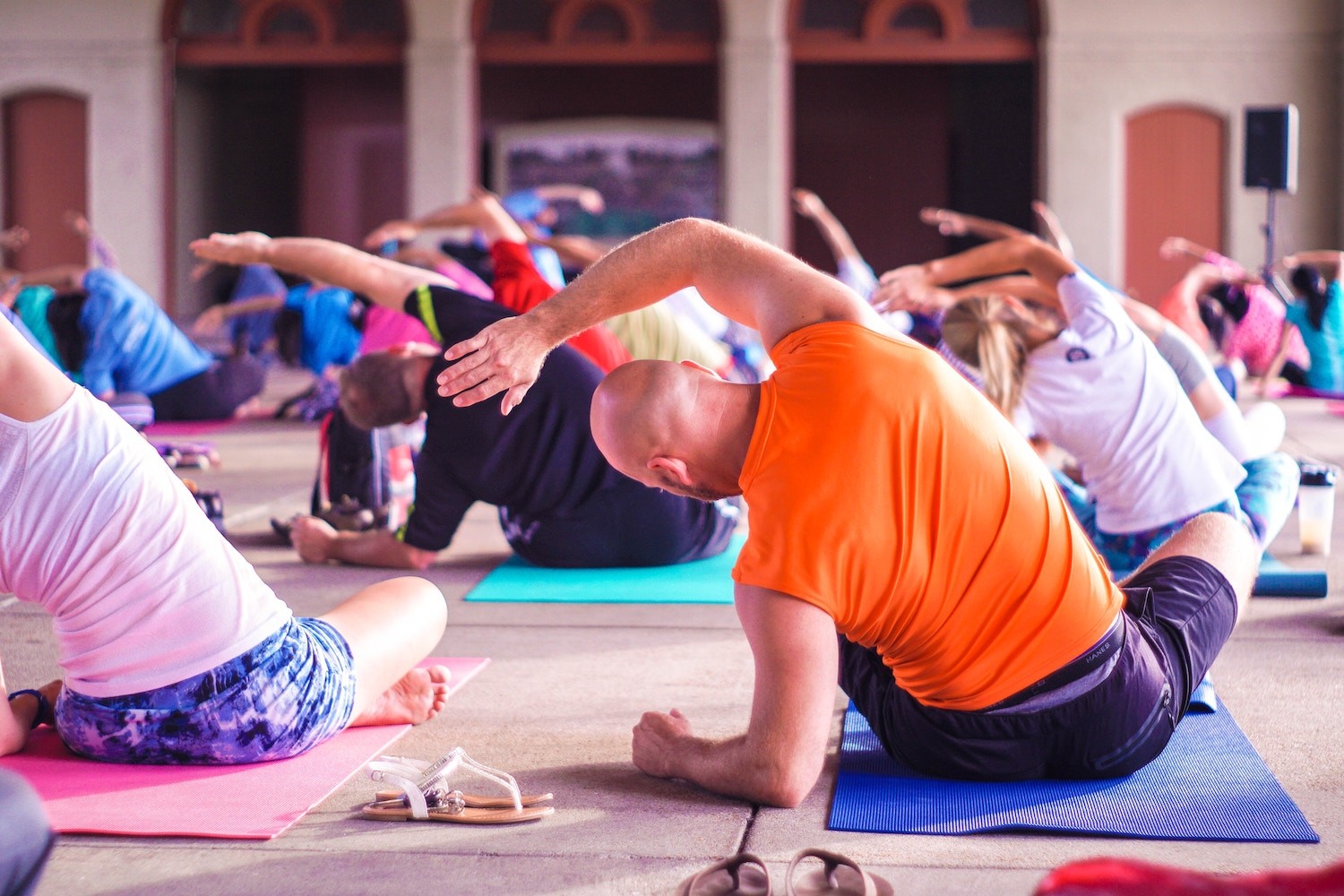
Relaxation is a skill rather than a switch you either possess or lack. If your days remain fast, tense, or mentally demanding, suddenly becoming calm at night may feel difficult. Practicing simple calming techniques regularly can make relaxation more familiar without requiring long sessions, special equipment, or a perfectly quiet environment.
Begin With One Technique You Can Repeat
Start small. Slow breathing, progressive muscle relaxation, quiet walking, guided imagery, or several minutes of focused attention can provide a structured pause.
People exploring everyday wellness topics may encounter dozens of calming methods. Trying all of them at once usually makes it harder to tell what works for you, so choose one simple practice and repeat it for several days before changing course.
Make the Practice Easy to Start
Attach the technique to something that already happens. You might practice after closing your laptop, after dinner, or before beginning your bedtime routine.
A reliable cue removes one decision from the process.
Learn the Difference Between Rest and Stimulation
Some activities feel like breaks without being particularly calming. Rapid scrolling, competitive gaming, intense news, or constant messaging may temporarily distract you while keeping attention highly engaged.
Exploring mind-body practices can give you ideas, but the simplest test is your own response. After an activity, notice whether your breathing, muscle tension, attention, and sense of urgency have settled or become more activated.
| Technique | What You Do | Keep It Simple |
|---|---|---|
| Slow breathing | Focus on steady breaths | A few quiet minutes |
| Muscle relaxation | Tense and release muscles | Work through major areas |
| Guided imagery | Picture a calm setting | Use familiar details |
| Quiet walking | Walk without multitasking | Keep the pace comfortable |
Practice Before Stress Reaches Its Peak
Calming techniques aren’t limited to moments when you already feel overwhelmed. Practicing during ordinary periods can make the routine easier to remember when pressure increases.
General health routine ideas may introduce useful options, but relaxation shouldn’t become another performance target. Missing a session isn’t failure. Return to the practice when convenient instead of trying to compensate with a longer, more demanding session.
The National Center for Complementary and Integrative Health describes breathing exercises, progressive relaxation, guided imagery, biofeedback, and related approaches as techniques designed to help produce the body’s relaxation response.
What Relaxation Techniques Cannot Do
A breathing exercise cannot remove a difficult workload, resolve a relationship conflict, cure a health condition, or replace professional treatment. Relaxation techniques work best when their role remains realistic.
They also don’t feel calming for everyone. NCCIH notes that some people can experience increased anxiety, intrusive thoughts, or other uncomfortable reactions during certain relaxation or mindfulness practices. If a technique consistently makes you feel worse, stop forcing it and consider another approach.
When Stress or Anxiety Needs More Support
Professional evaluation may be appropriate when stress, anxiety, sleep problems, low mood, or physical tension remain persistent, worsen, or begin interfering with work, relationships, self-care, or other everyday responsibilities.
NCCIH also advises that relaxation practices shouldn’t replace conventional care or delay evaluation of a medical problem. Urgent symptoms or immediate safety concerns should receive prompt professional attention.
Frequently Asked Questions
How long should a relaxation exercise last?
There is no single required length for general relaxation practice. A brief session you can repeat comfortably may be more practical than creating a demanding routine you rarely follow.
What if deep breathing makes me more anxious?
Stop or return to normal breathing if the exercise feels uncomfortable. Different relaxation methods affect people differently, so another approach such as quiet walking or progressive muscle relaxation may feel more suitable.
Is distraction the same as relaxation?
Not necessarily. Distraction temporarily shifts attention elsewhere, while relaxation practices are generally intended to reduce physiological or mental arousal. An activity can be enjoyable without leaving you calmer afterward.
Build Calm Through Repetition
Relaxation doesn’t need to feel dramatic to be useful. Choose one manageable technique, connect it to a predictable part of your day, and notice how your body and attention respond. Keep expectations realistic, and don’t use self-help exercises as a substitute for professional assessment when stress or anxiety becomes persistent, severe, or disruptive.
This article is for general informational purposes and is not a substitute for professional medical advice, diagnosis, or treatment.

