
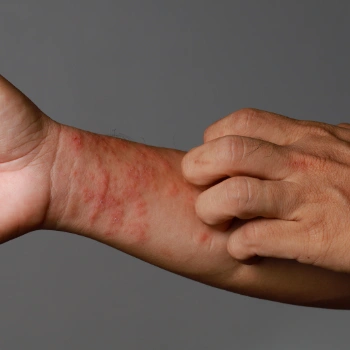
An occasional itch is common, but persistent body itching deserves a closer look when it repeatedly returns, disrupts sleep, spreads widely, or has no obvious trigger. Dry skin is one possibility, yet allergies, eczema, medications, infections, parasites, and some internal health conditions can also cause itching.
The pattern matters more than assuming every itch has the same explanation.
Start With the Pattern, Not a Guess
Notice where the itching occurs and whether you can see a rash. Also consider when it began, whether anyone else at home is itching, and whether you recently changed soaps, detergents, medications, clothing, or skin-care products.
MedlinePlus lists dry skin, eczema, allergic reactions, irritating chemicals, parasites, medications, and several health conditions among possible causes of itching.
People browsing general health topics may find long lists of possible causes, but matching one symptom to a condition online isn’t enough to establish a diagnosis.
Reduce Everyday Skin Irritation
Lukewarm showers, gentle products, comfortable clothing, and regular moisturizer can help when dryness or irritation is contributing. Hot water may feel soothing briefly but can leave some skin feeling drier afterward.
Try to limit scratching because repeated scratching can further damage the skin. Cool compresses may provide temporary relief for some types of itch.
When reviewing safety-minded reading, focus on low-risk skin-barrier measures while the cause remains uncertain rather than repeatedly applying strong treatments to unexplained itching.
Look for Environmental and Product Triggers
A fragranced body product, laundry detergent, fabric, workplace chemical, or recently introduced cosmetic may be relevant when itching follows exposure. Contact dermatitis can produce itching, dryness, burning, swelling, or a rash.
Keep the routine simple while watching the pattern. Introducing several new anti-itch products at once may create additional irritation and make the original trigger harder to identify.
Broader wellness education can support general reading, but persistent unexplained itch deserves clinical evaluation rather than endless product experimentation.
| Pattern | Possible Context | What to Notice |
|---|---|---|
| Dry, flaky itch | Dry skin | Weather and washing habits |
| Itchy rash | Dermatitis or other skin problem | New exposures |
| Nighttime itch | Several possible causes | Location and household symptoms |
| Widespread itch | Skin or internal causes | Duration and other symptoms |
Why Self-Diagnosis Can Become Misleading
Many unrelated conditions produce similar itching. Even the absence of a visible rash doesn’t eliminate potential causes.
The American Academy of Dermatology notes that long-standing itch can occasionally be associated with diseases affecting areas such as the kidneys, liver, thyroid, blood, or nervous system. Those possibilities are reasons for proper evaluation, not reasons to assume a serious diagnosis from itching alone.
Medication effects should also be discussed with the prescribing clinician rather than stopping a prescription on your own.
When Persistent Itching Needs Medical Help
Arrange medical evaluation when itching is severe, lasts for several weeks, has no obvious cause, affects much of the body, repeatedly interrupts sleep, or causes significant skin damage from scratching. MedlinePlus specifically recommends contacting a healthcare provider for severe itching, unexplained itching, or symptoms that don’t resolve after a few weeks.
Seek urgent care for itching accompanied by serious allergic-reaction symptoms such as difficulty breathing or substantial swelling of the face, lips, tongue, or throat.
The MedlinePlus guide to itching provides a medically reviewed overview of possible causes and approaches to evaluation.
Frequently Asked Questions
Can dry skin cause itching all over the body?
Yes. Very dry skin can produce widespread itching, particularly in dry environments or after repeated exposure to hot water. Widespread itching that persists despite basic skin care should still be assessed.
Can itching happen without a visible rash?
It can. Some causes of itching produce little or no obvious skin change at first. Persistent unexplained itching without a rash is one reason a clinician may consider causes beyond the skin itself.
Should I stop a medication if itching starts?
Don’t stop a prescribed medication solely on your own because of itching. Contact the prescribing clinician or another healthcare professional to discuss whether the medication could be involved and what to do next.
Use Persistent Itching as a Signal to Investigate
The goal isn’t simply to suppress every itch. Track the pattern, remove obvious irritants, protect dry skin, and note any related symptoms or recent changes. If itching remains unexplained, becomes severe, spreads widely, or keeps returning, medical evaluation can help identify whether the cause lies in the skin, an exposure, a medication, or another health issue.
This article is for general informational purposes and is not a substitute for professional medical advice, diagnosis, or treatment.
