
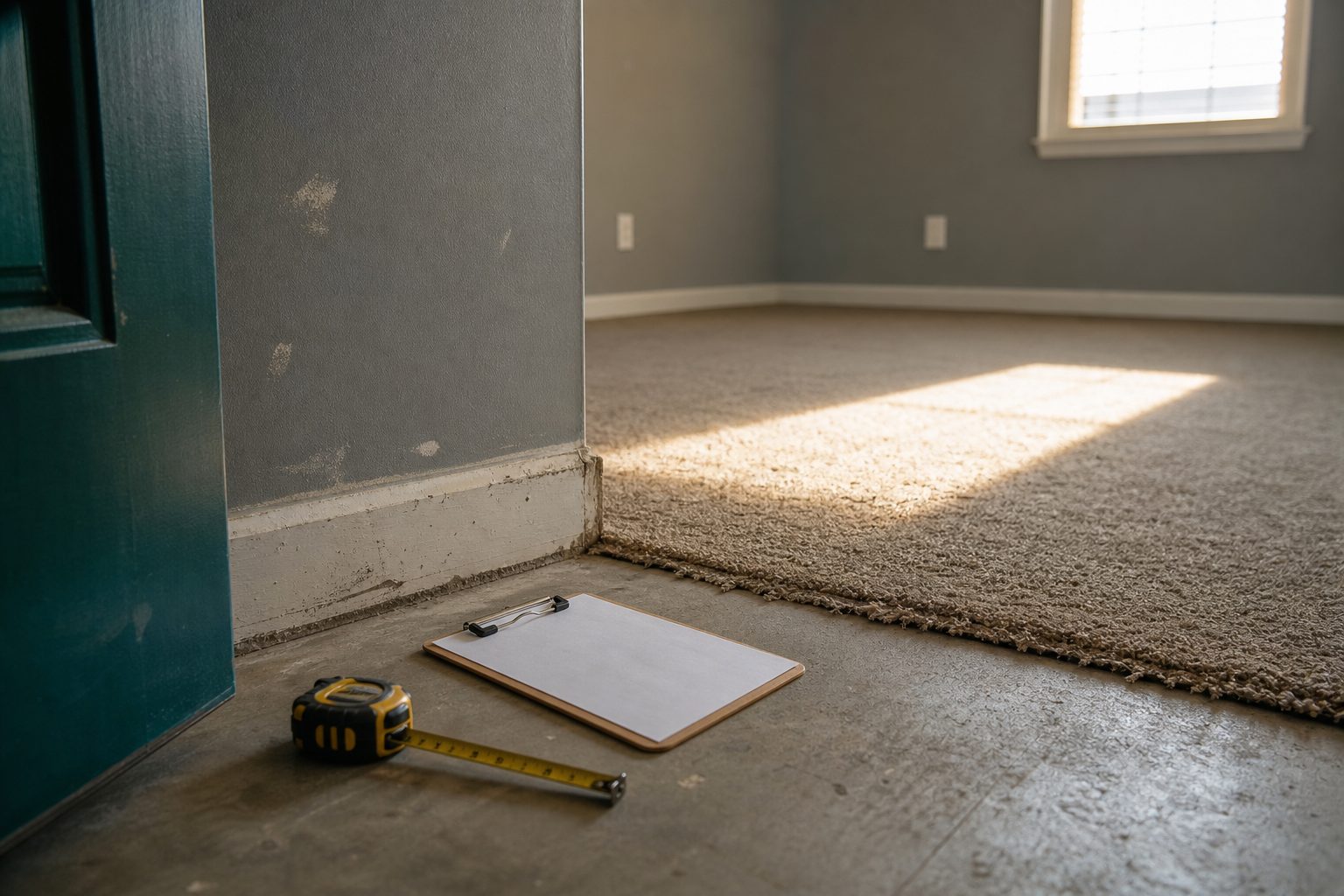
When property rights are uncertain, the best first move is usually to build a clean factual record. This article addresses a situation where a landlord and tenant disagree about deductions, move-out condition, cleaning, damage, unpaid rent, itemization, or the timing of a deposit return. Gather the lease, move-in and move-out inspections, dated photographs, videos, repair invoices, cleaning receipts, rent ledger, deposit accounting, notices, and forwarding-address communications before asking a provider to evaluate it. Readers doing wider property homework can also include housing management resources in their general research while keeping the legal, title, or survey question separate.
Where to Check Security Deposit Rules and Evidence
The strongest file gives the provider the original documents, a timeline, and the disputed facts without relying on memory. Without condition evidence, an otherwise reasonable deduction can look arbitrary, while a tenant may struggle to challenge a charge that was never documented at move-in. Confirm that the specific service is available in the state where the property sits, because real-estate procedure and document requirements can vary.
1. Nolo
Nolo publishes practical legal information on real estate, landlord-tenant rules, property rights, and many state-specific topics. It is useful for learning terminology and identifying questions before speaking with a professional. General articles cannot evaluate evidence, meet a deadline, or represent a party in a dispute.
2. LegalShield
LegalShield connects members with provider law firms and offers real-estate advice and document review under its legal plans. It can be useful when the issue needs a lawyer’s reading of the actual documents rather than a generic form. Check plan limits, exclusions, and whether the matter needs separate local litigation counsel.
3. Rocket Lawyer
Rocket Lawyer combines online real-estate documents with attorney-support options for contracts, leases, notices, deeds, and related paperwork. It is useful for understanding or preparing paperwork before a dispute grows. A contested court, title, or possession matter may still require a lawyer who practices in the property’s state.
4. LegalZoom
LegalZoom offers real-estate document services, including residential leases and property-deed products, with attorney guidance available for some needs. It may fit document preparation or an early review of common property paperwork. More complex ownership, enforcement, or litigation questions may need specialized local counsel.
5. FindLaw
FindLaw provides real-estate legal information plus a nationwide attorney directory searchable by legal issue and location. That makes it useful for locating a real-estate attorney when the issue is fact-specific or time-sensitive. Vet any lawyer independently for relevant experience, fees, and availability.
How to Build a Defensible Deposit File
Use state-specific resources because deposit limits, deadlines, allowable deductions, interest rules, and itemization requirements differ. For larger disputes, an attorney can evaluate whether the evidence supports the claimed deduction or refund. Compare the professional’s explanation with the source documents instead of relying on a phone summary. Broader property management reading can support the larger housing decision, but it cannot replace a title search, survey, contract review, or legal opinion when one is required.
Preserve original documents after uploading copies because dates, signatures, attachments, and delivery records may later matter.
Keep a simple issue list beside the documents so questions about deadlines, money, ownership, and next steps are not mixed together. That preparation makes it easier to compare advice from different professionals and reduces the chance that an important fact is omitted. It also helps you spot when two records conflict and need a formal correction instead of an informal explanation.
Frequently Asked Questions
What evidence helps with a security deposit dispute?
Dated move-in and move-out photos, signed inspection forms, receipts, invoices, the lease, payment records, and written communications are especially useful. Preserve originals and keep the timeline organized.
Can a landlord deduct for ordinary wear and tear?
Generally, security deposits are not intended to charge tenants for ordinary wear, but the distinction between wear and damage depends on facts, duration of tenancy, item condition, and state law.
How long does a landlord have to return a deposit?
The deadline varies by state and may also depend on whether deductions are taken or the tenant supplied a forwarding address. Check the law governing the property’s location rather than relying on a nationwide rule.
Evidence Is the Core of a Deposit Decision
The advantage comes from acting before the dispute hardens, the closing occurs, or the deadline passes. Keep the file complete and ask the provider to explain the next step in plain language. If the issue also affects repairs or exterior work, home upkeep resources can remain separate planning material. When ownership, money, possession, or court rights are disputed, a qualified local attorney should review the matter before an irreversible step.
