A windshield replacement can disturb the alignment of forward-facing cameras used by driver-assistance systems. If your vehicle relies on a camera for lane warnings, automatic emergency braking support, traffic-sign recognition, or other features, calibration may be required after the glass or camera mounting position changes.
Why Windshield Work Can Affect Camera Alignment
Many modern vehicles position a driver-assistance camera behind the windshield near the rearview mirror. The system expects that camera to sit at a precise angle relative to the road.
Replacing the windshield can change the camera’s position slightly, even when the new glass looks correctly installed. A small mounting difference may affect how the system interprets lane markings, vehicles, signs, and distances.
Drivers researching automotive repair considerations may encounter calibration alongside ordinary glass and electrical work because modern repairs increasingly involve sensors as well as physical parts.
Watch for Warnings After Windshield Replacement
Pay attention to dashboard messages after the repair. A driver-assistance warning, unavailable camera message, lane-system error, or calibration notice can indicate that the system requires attention.
Don’t assume the absence of a warning proves the camera is correctly calibrated. Some manufacturers specify calibration after windshield replacement as part of the repair procedure, regardless of whether a fault light immediately appears.
Information about modern vehicle systems can help owners understand why seemingly simple repairs now interact with advanced electronics. The correct procedure depends on the exact vehicle, camera, windshield, and driver-assistance package.
| Post-Repair Sign | Possible Issue | Next Check |
|---|---|---|
| ADAS warning | Calibration incomplete | Scan system |
| Lane alert seems wrong | Camera alignment | Verify calibration |
| Camera unavailable | Connection/software | Inspect fault codes |
| No warning shown | Requirement unknown | Check procedure |
Understand Static and Dynamic Calibration
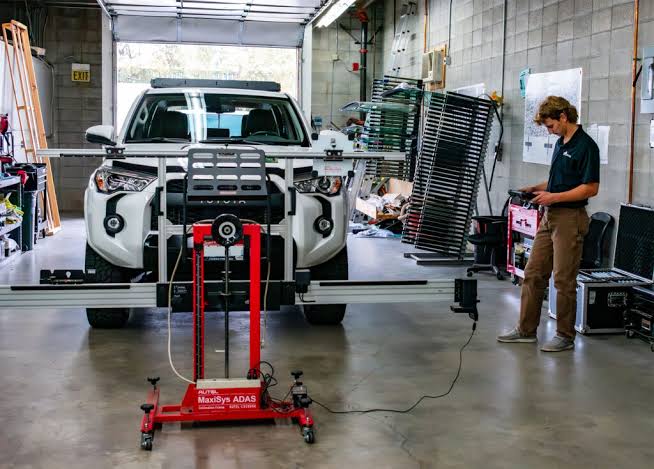
Some vehicles use static calibration, where the car is positioned precisely in front of special targets inside a controlled workspace. Others use dynamic calibration, which may require driving under specified road and speed conditions.
Certain vehicles require both methods. Because the procedure can involve exact measurements, level surfaces, tire pressures, steering position, scan tools, and calibration targets, it isn’t something to improvise from generic instructions.
Where calibration faults overlap with sensor or harness concerns, automotive wiring guidance can provide useful background on vehicle electronics. Calibration itself, however, should follow the manufacturer-approved process for the specific model.
Other Repairs Can Trigger Calibration Needs
Windshield replacement isn’t the only event that may require attention. Camera removal, suspension changes, alignment work, collision repairs, ride-height changes, or replacement of related sensors may affect some systems.
Requirements vary widely. Service information for the exact vehicle should determine whether recalibration is necessary.
Mistakes That Can Compromise the Result
Treating calibration as an optional warning-light reset is a major mistake. Clearing a fault code doesn’t physically verify that a camera is aimed correctly.
Another problem is performing calibration with incorrect vehicle conditions. Uneven tire pressure, excessive cargo, poor wheel alignment, unsuitable floor conditions, or incorrectly positioned targets may interfere with procedures on systems that require those variables to be controlled. Calibration should be documented and completed according to the manufacturer’s specifications.
Frequently Asked Questions
Does every windshield replacement require camera calibration?
Not every vehicle has the same requirement. Many vehicles with windshield-mounted driver-assistance cameras do require calibration after replacement, while procedures differ by manufacturer and model. Check the repair information for the exact vehicle.
Can I drive before the camera is recalibrated?
Follow the vehicle manufacturer’s guidance and any warning messages displayed after the repair. Driver-assistance features may be limited, unavailable, or unreliable until the required calibration procedure is completed.
Is wheel alignment related to camera calibration?
It can be. Some driver-assistance systems depend on vehicle geometry and steering information, so alignment conditions may matter during calibration. The required sequence depends on the manufacturer’s procedure.
Finish the Repair Correctly
Windshield replacement isn’t complete merely because the new glass is sealed and clear. If a forward camera or driver-assistance system is involved, confirm whether calibration is required and whether it was completed using the correct procedure. Ask for calibration documentation when applicable, and investigate any new ADAS warnings or unusual system behavior before relying on those features.