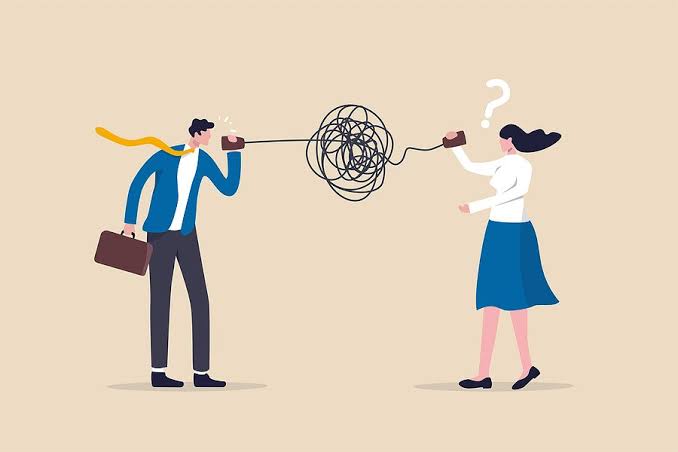

Weak customer offers often rely on discounts before customers understand why the product or service deserves attention. Lowering the price can create temporary interest, but it doesn’t fix unclear value, confusing positioning, or an offer that fails to solve a recognizable problem.
Before cutting prices, explain what the customer receives, who it is for, and what outcome makes the purchase worthwhile.
Begin With the Customer’s Problem
Strong offers start with a specific customer need rather than a list of company features. A buyer should quickly understand what problem the offer addresses and why the proposed solution fits that situation.
Businesses studying broader market perspectives may encounter many approaches to messaging. The useful test remains simple: can a potential customer understand the offer without needing someone from the company to explain it?
If the answer is no, a discount may attract attention without removing the underlying confusion.
Translate Features Into Practical Value
Features describe what a product includes. Value explains what those features change for the customer.
A scheduling tool may include automatic reminders, for example, but the practical benefit is fewer missed appointments and less manual follow-up. That’s easier for a buyer to connect with a real business problem.
Resources covering creative business presentation may provide ideas for how information is organized, but strong positioning depends more on clarity than decoration.
Make the Main Benefit Easy to Find
Avoid forcing customers to read several paragraphs before discovering the core benefit. Put the strongest value statement near the beginning of the offer and support it with relevant details afterward.
Secondary features still matter, but they shouldn’t compete with the primary reason someone would consider buying.
Strengthen the Offer Before Cutting Price
Once the value is clear, look at everything surrounding the core product. Delivery speed, onboarding, support, guarantees, payment structure, convenience, or bundled services can influence how customers perceive the offer.
Business owners exploring sales and communication material may discover many promotion tactics, but tactics work better when the underlying offer already makes sense.
| Weak Approach | Customer Reaction | Stronger Direction |
|---|---|---|
| Feature-heavy message | “Why does this matter?” | Explain the benefit |
| Constant discounting | “Is the normal price inflated?” | Establish value first |
| Vague audience | “Is this for me?” | Define ideal customer |
| Too many promises | “What is the main benefit?” | Prioritize one message |
Use Discounts for a Specific Purpose
Discounts aren’t automatically harmful. They can support product launches, seasonal campaigns, inventory decisions, trials, customer acquisition, or carefully planned promotions.
The problem begins when every sales problem is treated as a pricing problem. If customers don’t understand the offer at $100, reducing it to $80 may produce a cheaper confusing offer rather than a stronger one.
A discount should support the strategy, not become the strategy.
Where Offers Commonly Go Wrong
Businesses sometimes assume customers value the same features the internal team values. Months may have been spent building a technical function that buyers consider secondary to convenience, reliability, or speed.
Another mistake is stacking bonuses, countdowns, discounts, and guarantees until the core offer becomes difficult to understand. More elements don’t automatically create more value. Sometimes removing unnecessary promises makes the main benefit easier to trust.
Frequently Asked Questions
How can I tell whether my customer offer is unclear?
Ask someone unfamiliar with the business to explain the offer after reading it briefly. If they cannot identify the intended customer, main benefit, and basic purchase outcome, the messaging probably needs work.
Do discounts always reduce perceived value?
No. Discounts can be useful when they have a clear commercial purpose. Problems arise when customers are trained to ignore regular pricing because promotions happen constantly.
What should an offer explain first?
Start with the customer problem and the primary outcome your product or service provides. Features, proof, pricing, bonuses, and detailed terms can follow once the main value is understood.
Make Value Do the Heavy Lifting
A strong offer should make sense before a discount appears. Clarify the problem, connect features with meaningful outcomes, define who the offer serves, and remove unnecessary complexity from the message.
Then decide whether a promotion serves a specific business goal. When customers understand the value first, price becomes one part of the decision instead of the only reason to pay attention.